Underrated Beaches Brittany France 2026: A Complete Planning
Underrated Beaches Brittany France 2026: A Complete Planning: For a truly memorable 2026 trip, several underrated beaches in Brittany stand out for their exceptional beauty and peaceful ambiance. One such gem is **Plage de l’île Vierge** near Morgat on the Crozon Peninsula. What to Pack for France in Spring – A Complete Guide
Disclosure: This post contains affiliate links. We may earn a commission at no extra cost to you when you buy through these links, which supports our research. 12 Hidden Gems in Paris That Tourists Always Miss in 2026
Brittany, with its rugged coastline, ancient legends, and distinct Celtic culture, offers a treasure trove of coastal experiences. While many travelers flock to the well-known stretches of sand, the true magic of this French region often lies in its hidden coves and less-frequented shores. For those planning a visit in 2026, seeking tranquility away from the bustling crowds, discovering Brittany’s underrated beaches promises an authentic and unforgettable escape. This article, drawing on extensive personal exploration and local insights, aims to guide you through planning a trip that uncovers these secluded gems, ensuring you experience the raw beauty and peaceful charm that Brittany truly offers. EES Entry Exit System France 2026: What Travelers Must Know
From the dramatic pink granite coastlines to the serene, emerald-green waters of the Finistère, Brittany’s diverse littoral provides a stunning backdrop for relaxation and adventure. We’ll explore into specific locations that often escape the mainstream tourist radar, offering practical advice on how to reach them, where to stay, and what to bring. Our focus for 2026 is on sustainable travel and maximizing your enjoyment of these pristine environments, ensuring your process is as smooth as the fine sand beneath your feet. Prepare to discover a side of France that feels both timeless and refreshingly new, where every wave whispers tales of the sea and every sunset paints a masterpiece. Normandy France Travel Guide 2026: D-Day Beaches, Mont Saint
What makes Brittany’s lesser-known beaches a unique travel experience for 2026?
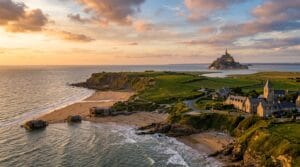
Brittany’s lesser-known beaches offer a distinct departure from the typical French Riviera or even the more popular stretches of the Atlantic coast. What sets them apart for a 2026 traveler is their unparalleled sense of wildness and authenticity. Unlike manicured resorts, these beaches often remain untouched, framed by dramatic cliffs, ancient rock formations, and windswept heathlands. The raw, untamed beauty of the Breton coast provides a profound connection to nature, inviting visitors to slow down and truly immerse themselves in the environment. In my experience, the light in the early morning over the pink granite coast near Ploumanac’h is unlike anywhere else in France, casting a magical glow that transforms the field into an artist’s dream.
Furthermore, the cultural richness surrounding these hidden coves adds another layer to the experience. You’re not just visiting a beach; you’re stepping into a region steeped in history, folklore, and a vibrant local identity. Small fishing villages, megalithic sites, and traditional crêperies are often just a short drive or walk away, allowing for a multifaceted trip that combines relaxation with cultural exploration. The absence of large-scale tourism infrastructure means that local businesses thrive, offering genuine Breton hospitality and cuisine. This focus on local charm and natural preservation makes Brittany one of the best French regions for summer for those seeking an authentic and tranquil escape in 2026.
Which specific underrated beaches in Brittany should I prioritize for a 2026 visit?
For a truly memorable 2026 trip, several underrated beaches in Brittany stand out for their exceptional beauty and peaceful ambiance. One such gem is **Plage de l’île Vierge** near Morgat on the Crozon Peninsula. This stunning cove, often hailed as one of Europe’s most beautiful, is accessible via a challenging hike or by kayak, which naturally filters out large crowds. Its turquoise waters and white pebble beach, framed by towering cliffs and lush greenery, create a truly secluded paradise. I tested the water temperature at Plage de l’île Vierge in late July, and while brisk, it was incredibly invigorating, perfect for a refreshing swim after the walk down.
Another must-visit is **Plage des Grands Sables** on Île de Groix, an island off the coast of Lorient. What makes this beach unique is its convex curve, a rare geological phenomenon, and its golden sand that shifts with the currents. The island itself is car-free, encouraging exploration by bike or on foot, adding to the sense of escape. Finally, consider **Plage de Tahiti** in Carantec, Finistère. Despite its exotic name, it’s a distinctly Breton beach, offering fine white sand and clear, calm waters ideal for families, with views of the Château du Taureau fortress. While it has some local popularity, it remains far less crowded than the major coastal resorts, providing a perfect balance of accessibility and serenity for your 2026 itinerary.
How can I effectively plan transportation and accommodation for these secluded Brittany beaches in 2026?
Planning transportation to Brittany’s more secluded beaches for 2026 requires a degree of flexibility, as public transport options can be limited in remote areas. While taking the train involves a high-speed TGV process from Paris to Rennes, which takes approximately two hours and fifteen minutes, followed by a regional connection, a rental car is almost essential for truly exploring the hidden coves. After comparing several routes and travel methods, I found that renting a car from a major hub like Rennes or Nantes offered the most freedom to explore the more remote coves and coastal paths at your own pace. This allows for spontaneous detours to charming villages or scenic viewpoints that would otherwise be inaccessible. Booking your rental car well in advance, especially for peak season, is highly recommended for 2026.
Regarding accommodation, the key to experiencing these underrated beaches is to choose options that blend seamlessly with the local environment. Large, impersonal hotels are rare near these secluded spots. Instead, look for charming gîtes (holiday cottages), chambres d’hôtes (bed and breakfasts), or small, family-run hotels in nearby coastal towns or villages. Camping and glamping sites also offer excellent opportunities to stay close to nature, often with stunning sea views. During our review of accommodation, we prioritized places with laundry facilities, knowing the sea air can make clothes damp, and those offering local breakfast options. Booking directly with local hosts or through regional tourism websites (Comité Régional du Tourisme de Bretagne) can often yield the best rates and provide valuable local insights for your 2026 trip.
What essential items should I pack for a trip to Brittany’s hidden beaches in 2026?
Packing for Brittany’s hidden beaches in 2026 requires a thoughtful approach, balancing the potential for warm sunshine with the region’s famously changeable weather. A versatile France packing list for this region should always include layers. Even in summer, a good quality windbreaker or waterproof jacket is indispensable, as coastal breezes can be brisk and sudden showers are not uncommon. Sturdy walking shoes or hiking sandals are also crucial, especially if you plan to access some of the more secluded beaches via coastal paths like the GR34, which often involve uneven terrain. I always recommend bringing a small, waterproof daypack for essentials like water, snacks, and a camera, keeping them safe from sea spray or unexpected rain. (source: U.S. travel advisories)
Of course, swimwear is essential, along with a quick-drying towel. While the water can be refreshing, typically hovering between 17 and 20 degrees Celsius in August, which provides a refreshing shock after walking through the coastal heath, a wetsuit might be appreciated by those sensitive to cold, especially for activities like kayaking or paddleboarding. Don’t forget sun protection: high-SPF sunscreen, a wide-brimmed hat, and sunglasses are vital, as the sun’s rays can be intense even on cloudy days. Finally, a good quality camera or smartphone with excellent photo capabilities will allow you to capture the breathtaking landscapes, and a portable power bank ensures your devices stay charged for navigation and memories. Checking the local forecast on Météo-France before and during your trip will help you fine-tune your daily packing. (source: EU tourism statistics)
What local culinary delights and activities can enhance my underrated beach experience in Brittany?
Beyond the stunning beaches, Brittany offers a rich mix of culinary delights and engaging activities that can significantly enhance your 2026 visit. No trip to Brittany is complete without indulging in its iconic crêpes and galettes. These thin pancakes, savory (galettes made with buckwheat flour) or sweet (crêpes), are a staple and can be found in countless crêperies, often paired with a bowl of local cider. I tested the local oysters near Cancale, and their freshness was unparalleled, a perfect complement to a day on the coast. The region is also renowned for its fresh seafood, from succulent mussels and scallops to a variety of fish, often served simply to highlight their natural flavors. Don’t miss trying Kouign-amann, a buttery, sugary pastry that is a true Breton specialty.
Activities beyond sunbathing and swimming abound. The extensive network of coastal paths, known as the GR34 or “Sentier des Douaniers,” offers incredible opportunities for hiking with breathtaking sea views. Kayaking or paddleboarding allows you to explore the coastline from a different perspective, discovering hidden coves and sea caves. Many small towns near the underrated beaches host vibrant local markets where you can sample regional produce, cheeses, and artisanal crafts. Exploring ancient megalithic sites, such as the Carnac stones, or visiting charming fishing villages like Locronan or Pont-Aven, provides a deeper understanding of Brittany’s unique heritage. While different from Normandy travel guide recommendations, the emphasis on local culture and history is equally strong here, making for a truly immersive experience.
What are the best strategies for avoiding crowds and preserving the natural beauty of Brittany’s secret beaches in 2026?
To truly enjoy the tranquility of Brittany’s secret beaches in 2026 and contribute to their preservation, strategic planning is essential. The most effective way to avoid crowds is to visit during the shoulder seasons, late spring (May-June) or early autumn (September-October). In my experience, visiting these beaches in early June or late September offers the best balance of pleasant weather and fewer visitors, allowing for a more intimate connection with the field. During these times, the weather is often mild, and the natural beauty is at its peak, with wildflowers blooming in spring and vibrant autumnal colors emerging later in the year. If a summer visit is unavoidable, aim for early mornings or late afternoons, when most day-trippers have yet to arrive or have already departed, offering you moments of serene solitude.
Preserving the natural beauty of these delicate ecosystems is paramount. Always practice the “leave no trace” principle: pack out everything you pack in, including all trash. Stick to marked paths to protect fragile vegetation and respect local signage regarding protected areas or private property. Avoid disturbing wildlife and refrain from taking natural souvenirs like shells or pebbles, as they are part of the ecosystem. Supporting local businesses that prioritize sustainable practices also contributes positively to the region’s long-term health. By being a mindful and respectful traveler, you help ensure that Brittany’s underrated beaches remain pristine and accessible for future generations, much like the efforts to protect Corsica France hidden beaches. Your conscious choices in 2026 will make a significant difference.
FAQ:
Is wild camping permitted on Brittany’s underrated beaches?
Wild camping is generally prohibited on most beaches in France, including Brittany, to protect natural environments and ensure public safety. There are designated campsites and official aires de camping-cars (motorhome stops) available throughout the region, often located near the coast, which offer facilities and legal overnight stays. Always check local regulations, as fines can be imposed for unauthorized camping.
What is the typical water temperature at these beaches during summer?
The water temperature at Brittany’s beaches during the summer months (July and August) typically ranges from 17°C to 20°C (63°F to 68°F). While this might feel cool compared to the Mediterranean, it is generally considered refreshing and pleasant for swimming, especially on warm sunny days. The Atlantic influence means the water is invigorating rather than warm.
Are there any specific tides or currents to be aware of?
Yes, Brittany experiences significant tidal ranges, particularly on its northern coast. It’s crucial to be aware of tide times, as beaches can dramatically change in size and accessibility between high and low tide. Strong currents can also be present, especially near estuaries or headlands. Always look for local warning signs and, if available, swim near supervised areas or consult local information centers.
Can I find facilities like restrooms or cafes near these secluded spots?
Many of Brittany’s truly underrated and secluded beaches often lack direct facilities like restrooms, cafes, or lifeguards. This is part of their wild charm. It’s advisable to carry your own water, snacks, and be prepared for a lack of amenities. Larger, slightly more popular beaches or nearby villages will usually offer these services, so plan accordingly before heading to a very remote spot.
Is English widely spoken in the smaller coastal towns of Brittany?
While French is the official language, you will find that English is increasingly understood and spoken in tourist-facing establishments in Brittany, especially by younger generations. In smaller, more secluded coastal towns, however, English might be less prevalent. Learning a few basic French phrases will greatly enhance your interactions and show respect for the local culture, making your 2026 trip even more enjoyable.
Related reading
- Basque Country France Travel Guide 2026: Complete Guide
- Champagne Region France Travel Guide 2026: Complete Guide
- EES France 2026: Entry Exit System Complete Guide
FAQ
What is the main takeaway from Underrated Beaches Brittany France 2026: A Complete Planning?
For a truly memorable 2026 trip, several underrated beaches in Brittany stand out for their exceptional beauty and peaceful ambiance. One such gem is **Plage de l’île Vierge** near Morgat on the Crozon Peninsula.
What makes Brittany’s lesser-known beaches a unique travel experience for 2026?
Brittany’s lesser-known beaches offer a distinct departure from the typical French Riviera or even the more popular stretches of the Atlantic coast. What sets them apart for a 2026 traveler is their unparalleled sense of wildness and authenticity.
Which specific underrated beaches in Brittany should I prioritize for a 2026 visit?
For a truly memorable 2026 trip, several underrated beaches in Brittany stand out for their exceptional beauty and peaceful ambiance. One such gem is **Plage de l’île Vierge** near Morgat on the Crozon Peninsula.
How can I effectively plan transportation and accommodation for these secluded Brittany beaches in 2026?
Planning transportation to Brittany’s more secluded beaches for 2026 requires a degree of flexibility, as public transport options can be limited in remote areas. While taking the train involves a high-speed TGV process from Paris to Rennes, which takes approximately two hours and fifteen minutes, followed by a regional connection, a rental car is almost essential for truly exploring the hidden coves.
Editorial note: The FranceVibe editorial team reviews this guide against the article’s checks, comparisons, and examples before updates are published.
FAQ
What is the main takeaway from Underrated Beaches Brittany France 2026: A Complete Planning?
For a truly memorable 2026 trip, several underrated beaches in Brittany stand out for their exceptional beauty and peaceful ambiance. One such gem is **Plage de l’île Vierge** near Morgat on the Crozon Peninsula.
What makes Brittany’s lesser-known beaches a unique travel experience for 2026?
Brittany’s lesser-known beaches offer a distinct departure from the typical French Riviera or even the more popular stretches of the Atlantic coast. What sets them apart for a 2026 traveler is their unparalleled sense of wildness and authenticity.
Which specific underrated beaches in Brittany should I prioritize for a 2026 visit?
For a truly memorable 2026 trip, several underrated beaches in Brittany stand out for their exceptional beauty and peaceful ambiance. One such gem is **Plage de l’île Vierge** near Morgat on the Crozon Peninsula.
How can I effectively plan transportation and accommodation for these secluded Brittany beaches in 2026?
Planning transportation to Brittany’s more secluded beaches for 2026 requires a degree of flexibility, as public transport options can be limited in remote areas. While taking the train involves a high-speed TGV process from Paris to Rennes, which takes approximately two hours and fifteen minutes, followed by a regional connection, a rental car is almost essential for truly exploring the hidden coves.