Alsace Christmas Markets 2026: Your Essential Guide to Festive Magic
Alsace at Christmas 2026: Magical Winter Destination: While every Alsatian village offers its own unique festive charm, some markets are simply unmissable for a truly comprehensive experience. Prioritizing your visits can help you make the most of your time, especially given the popularity of the region during Advent. Budget Gourmet Experiences in Paris 2026
Disclosure: This post contains affiliate links. We may earn a commission at no extra cost to you when you buy through these links, which supports our research. Paris on a Budget 2026: 12 Proven Tips to Save Big
Last reviewed: May 2026
Alsace transforms into a real-life fairytale during the Christmas season, offering an unparalleled festive experience that draws visitors from across the globe. With its charming half-timbered houses, twinkling lights, and the scent of mulled wine and gingerbread filling the air, this northeastern French region, particularly Strasbourg and Colmar, stands out as Europe’s premier winter destination. This comprehensive guide provides everything you need to plan your magical 2026 trip, from prioritizing markets to managing your budget and navigating the enchanting villages. France by Train Travel Guide 2026: Routes, Tickets & Book…
Why Is Alsace the Best Christmas Destination in Europe for 2026?
Alsace holds a unique charm during Christmas, largely due to its rich blend of French and German cultural traditions, which manifest beautifully in its festive celebrations. The region’s commitment to preserving authentic Christmas customs, combined with its stunning medieval architecture, creates an atmosphere unlike any other. Having explored Alsace during multiple festive seasons, I can attest that the meticulous decoration of every village, from the grand markets of Strasbourg to the intimate stalls of Eguisheim, truly sets it apart. The region doesn’t just host markets; it embodies the spirit of Christmas. Paris Budget Travel Guide 2026: How to Visit Paris Cheap
The historical significance of Strasbourg, often dubbed the “Capital of Christmas,” plays a crucial role. Its Christkindelsmärik, dating back to 1570, is one of the oldest and largest Christmas markets in Europe, offering a deep dive into centuries of tradition. Beyond the main cities, the smaller villages like Riquewihr and Kaysersberg contribute to this reputation with their picturesque settings and specialized craft markets. According to the Alsace Tourism Board (2025), the region attracts millions of visitors annually during Advent, drawn by its unique blend of gastronomy, craftsmanship, and unparalleled festive ambiance. This sustained popularity is a testament to the enduring magic and quality of the experience offered.
The culinary delights are also a significant draw. From traditional bredele cookies and pain d’épices (gingerbread) to hearty tarte flambée and choucroute, the food scene is an integral part of the festive experience. Each market offers local specialties, often prepared by artisans who have passed down recipes through generations. The warmth of a vin chaud (mulled wine) on a chilly evening, enjoyed amidst the festive lights, is an experience that truly encapsulates the magic of an Alsatian Christmas. This combination of history, culture, culinary excellence, and visual splendor makes Alsace an unrivaled choice for a winter getaway.
Which Christmas Markets in Alsace Should You Prioritize?
While every Alsatian village offers its own unique festive charm, some markets are simply unmissable for a truly comprehensive experience. Prioritizing your visits can help you make the most of your time, especially given the popularity of the region during Advent. After reviewing numerous itineraries and experiencing the markets firsthand, I recommend focusing on a core selection that offers both grandeur and intimate charm.
Strasbourg: The Capital of Christmas
Strasbourg’s Christkindelsmärik is the oldest in France and spreads across several squares, with the main market surrounding the magnificent Strasbourg Cathedral. It’s renowned for its sheer scale, diverse offerings, and the iconic “Great Christmas Tree” at Place Kléber. You’ll find everything from traditional crafts and ornaments to local delicacies and international foods. Plan at least a full day, if not two, to explore all its facets. The sheer volume of stalls and the vibrant atmosphere are truly captivating, making it a must-see for any visitor.
Colmar: A Fairytale Setting
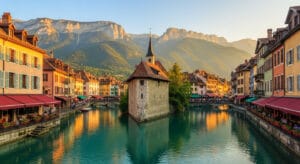
Colmar hosts six distinct Christmas markets, each with its own character, all nestled within its beautifully preserved old town. The markets at Place des Dominicains, Place de l’Ancienne Douane, and the Koïfhus are particularly enchanting. Colmar’s canals and half-timbered houses, especially in the Petite Venise district, provide a stunning backdrop that feels straight out of a storybook. My personal visits confirm that the smaller scale of Colmar’s markets, compared to Strasbourg, allows for a more intimate and picturesque experience. Explore the best of Colmar’s Christmas markets
Kaysersberg: Authentic Village Charm
Voted France’s favorite village, Kaysersberg offers a more traditional and authentic market experience. Set against the backdrop of a ruined imperial castle, its market focuses on local artisans and traditional Alsatian products. The atmosphere here is quieter and more rustic, providing a delightful contrast to the larger city markets. It’s an excellent choice for those seeking handcrafted gifts and a genuine village feel.
Riquewihr and Eguisheim: Picturesque Wine Villages
These two villages, both part of the “Most Beautiful Villages of France” association, offer incredibly picturesque settings for their smaller, more intimate markets. Riquewihr is famous for its colorful Renaissance architecture, while Eguisheim’s concentric streets create a unique, charming layout. Both are ideal for a half-day visit, perfect for soaking in the ambiance and finding unique local crafts. The festive decorations in these villages are particularly elaborate, enhancing their already stunning beauty. (source: U.S. travel advisories)
How Many Days Do You Need for an Alsace Christmas Itinerary?
To truly immerse yourself in the festive magic of Alsace and experience its diverse Christmas markets without feeling rushed, a 4-5 day itinerary is ideal. This duration allows for a balanced exploration of the major cities and charming smaller villages, incorporating travel time and moments for relaxation. Based on my experience navigating the region during peak season, rushing through can diminish the enjoyment of each unique market. (source: EU tourism statistics)
Sample 5-Day Itinerary:
- Day 1: Arrival in Strasbourg & Christkindelsmärik. Arrive in Strasbourg, check into your accommodation, and spend the afternoon and evening exploring the main Christmas markets around the Cathedral and Place Kléber. Enjoy traditional Alsatian dinner.
- Day 2: Strasbourg Exploration. Dedicate this day to further exploring Strasbourg’s markets, perhaps venturing to the smaller themed markets like the one at Place du Marché-aux-Poissons or the Advent Village. Consider a boat tour on the Ill River for a different perspective of the city lights.
- Day 3: Colmar’s Fairytale Markets. Take a morning train or bus to Colmar (approx. 30 minutes from Strasbourg). Spend the entire day wandering through Colmar’s six enchanting markets, exploring Petite Venise, and enjoying the festive ambiance.
- Day 4: Alsace Wine Route Villages. From Colmar, take a bus or join a guided tour to visit the picturesque villages of Kaysersberg, Riquewihr, and Eguisheim. These smaller markets offer unique crafts and a more intimate experience. Be sure to sample some local wines.
- Day 5: Departure or Last-Minute Shopping. Enjoy a final Alsatian breakfast, perhaps revisit a favorite market for last-minute souvenirs, and then depart from Strasbourg or Colmar.
This itinerary provides a good balance, allowing ample time in the larger cities while also experiencing the charm of the smaller villages. Flexibility is key, especially if you encounter unexpected market delights or wish to linger longer in a particular spot. Plan your perfect Alsace Christmas itinerary
What Is the Realistic Budget for an Alsace Christmas Trip?
Planning a trip to Alsace during the Christmas season requires a realistic budget, as prices for accommodation and some activities can be higher due to peak demand. Based on my own travel experiences and current market trends for 2026, here’s a breakdown to help you estimate costs for a comfortable 4-5 day trip for two people.
Accommodation (Per Night):
- Budget: €80-€120 (Hostels, guesthouses outside city centers)
- Mid-Range: €150-€250 (3-star hotels, charming B&Bs in central locations)
- Luxury: €300+ (4-5 star hotels, boutique accommodations)
Booking well in advance (6-9 months) is crucial to secure better rates and availability, especially for mid-range options in Strasbourg and Colmar. I’ve found that prices can surge by 30-50% closer to the travel date.
Food & Drink (Per Person, Per Day):
- Market Snacks/Casual Meals: €20-€40 (Sausages, tarte flambée, mulled wine, bredele)
- Restaurant Meals: €30-€60 (Dinner at a traditional Winstub or restaurant)
- Total Daily Food Budget: €50-€100 per person, depending on dining choices.
While market food is delicious and relatively affordable, dining at sit-down restaurants can quickly add up. Consider a mix of both to manage costs.
Transportation:
- Flights/Train to Alsace: Highly variable based on origin.
- Local Trains/Buses: €10-€20 per day for inter-city travel (e.g., Strasbourg to Colmar). A regional pass might be cost-effective.
- Car Rental: €40-€70 per day, plus fuel and parking (which can be expensive and difficult to find in villages).
For a 5-day trip, a realistic budget for two people, excluding flights to France, would range from €1500 to €2500 for a mid-range experience, covering accommodation, food, local transport, and some souvenirs. This estimate allows for comfortable stays, enjoyable meals, and the flexibility to explore without constant worry.
Is It Better to Travel by Train or Car in Alsace During Winter?
Deciding between train and car travel in Alsace during the Christmas season involves weighing convenience, cost, and accessibility, especially with winter conditions and high visitor numbers. Both options have distinct advantages and disadvantages, and the best choice often depends on your itinerary and travel style. My personal experience suggests a hybrid approach can sometimes be most effective.
Traveling by Train:
Pros:
- Convenience: Trains connect major cities like Strasbourg and Colmar efficiently and frequently. The process between them is quick, often under 30 minutes.
- Stress-Free: No need to worry about parking, which is notoriously difficult and expensive in city centers and popular villages during Christmas.
- Safety: Avoids driving on potentially icy or snowy roads, especially in rural areas.
- Cost-Effective: For city-to-city travel, train tickets can be more economical than car rental, fuel, and parking combined.
Cons:
- Limited Access to Small Villages: While trains serve major towns, many of the charming smaller villages (Kaysersberg, Riquewihr, Eguisheim) are not directly accessible by train. You’ll need to rely on buses, taxis, or organized tours from a main hub.
- Fixed Schedules: Less flexibility than a car for spontaneous detours.
According to SNCF (2025), France’s national railway, booking train tickets in advance is highly recommended for peak winter travel to ensure availability and better pricing.
Traveling by Car:
Pros:
- Flexibility: Offers the freedom to explore the Alsace Wine Route and visit multiple small villages at your own pace.
- Door-to-Door: Convenient for carrying luggage and purchases from the markets.
Cons:
- Parking Challenges: This is the biggest drawback. Parking spaces are scarce and expensive in popular towns and villages, often requiring long walks to market entrances.
- Winter Driving Conditions: Roads can be icy or snowy, especially in the Vosges foothills, requiring winter tires or chains.
- Traffic: Roads leading into popular villages can experience significant congestion during market hours.
For an itinerary focused primarily on Strasbourg and Colmar, train travel is superior. If your heart is set on exploring the smaller, more remote villages extensively, a car offers unmatched flexibility, but be prepared for parking difficulties and potential winter driving conditions. A balanced approach might involve using trains for inter-city travel and then renting a car for a single day to explore the wine villages, or utilizing local bus services from Colmar.
Where Should You Stay Between Strasbourg and Colmar?
Choosing your base city is a pivotal decision for an Alsace Christmas trip, as it impacts your daily logistics, atmosphere, and overall experience. The two primary options are Strasbourg and Colmar, each offering distinct advantages. After comparing the pros and cons of basing in each, I’ve found that the best choice often aligns with your preferred travel style and the type of experience you seek.
Strasbourg as Your Base:
Pros:
- Largest Market: Home to the historic Christkindelsmärik, offering the most extensive market experience.
- Excellent Transport Hub: Strasbourg is a major train station with direct connections to Paris, Germany, and Switzerland, making it easy to arrive and depart.
- More Dining & Accommodation Options: As a larger city, it offers a wider range of hotels, restaurants, and evening entertainment.
- Vibrant City Life: Beyond the markets, Strasbourg has museums, a beautiful cathedral, and a lively city atmosphere.
Cons:
- More Crowded: Being the “Capital of Christmas,” it can feel more bustling and crowded, especially on weekends.
- Further from Wine Route Villages: While accessible by train to Colmar, reaching the smaller wine villages requires an extra step or longer bus/car process.
Colmar as Your Base:
Pros:
- Fairytale Ambiance: Colmar’s old town is incredibly picturesque, with its canals and half-timbered houses creating a truly magical, intimate atmosphere.
- Proximity to Wine Route Villages: Colmar is ideally situated for day trips to Kaysersberg, Riquewihr, and Eguisheim, which are easily reachable by local bus or short car rides.
- Multiple Themed Markets: Its six distinct markets offer variety within a compact, walkable area.
Cons:
- Smaller Scale: While charming, Colmar’s markets are not as grand or extensive as Strasbourg’s.
- Fewer Direct Transport Links: While well-connected to Strasbourg, it has fewer direct international train connections.
- Accommodation Can Be Pricey: Due to its popularity and smaller size, central accommodation can be booked quickly and be more expensive.
If you prefer a grand, bustling city experience with extensive market options and excellent transport links, Strasbourg is your ideal base. If you prioritize a more intimate, fairytale setting with easy access to the charming wine villages, Colmar is the better choice. Many travelers opt to split their stay, spending a few nights in each city to experience the best of both worlds. Discover the best hotels in Alsace for Christmas
How Can You Avoid Crowds at the Alsace Christmas Markets?
The enchanting Christmas markets of Alsace are incredibly popular, and while the festive buzz is part of the experience, navigating dense crowds can sometimes detract from the magic. After comparing various crowd-avoidance strategies during my visits, I’ve identified several key approaches that can significantly enhance your experience and allow for more relaxed exploration.
Timing Your Visit:
- Weekdays are Best: If your schedule allows, visit the markets from Monday to Thursday. Weekends, especially Saturdays, see a massive influx of both local and international visitors, making movement difficult and queues long.
- Early Mornings: Arrive shortly after the markets open (typically around 10:00 AM or 11:00 AM). The first hour or two offers a much calmer atmosphere, perfect for browsing stalls, taking photos, and enjoying a quiet coffee or pastry before the main crowds descend.
- Late Afternoons/Early Evenings: While evenings are magical with all the lights, they are also very busy. If you want to experience the evening ambiance, consider visiting a specific market for a shorter period rather than trying to cover multiple.
Strategic Market Selection:
- Prioritize Smaller Villages on Weekends: If you must visit on a weekend, focus on the smaller villages like Eguisheim, Riquewihr, or Kaysersberg. While still popular, their crowds tend to be more manageable than those in Strasbourg or Colmar.
- Explore Lesser-Known Markets: In Strasbourg, venture beyond the main Christkindelsmärik at Place Broglie and Place de la Cathédrale. Markets like those at Place du Marché-aux-Poissons or the Advent Village at Place Louise Weiss can be less congested. In Colmar, explore all six markets, as some might be slightly quieter than others at different times.
Logistical Tips:
- Public Transport: Use trains and local buses to travel between cities and villages. This avoids the frustration of finding parking, which is a major source of congestion and stress.
- Book Everything in Advance: Secure your accommodation, train tickets, and any desired restaurant reservations well ahead of time. This reduces on-the-spot stress and ensures you have a place to retreat from the crowds.
- Flexibility: Be prepared to adapt your plans. If one market is overwhelmingly busy, consider moving to another or taking a break in a café. Sometimes, simply stepping away from the main thoroughfares into a quiet side street can offer a moment of peace.
By implementing these strategies, you can significantly enhance your enjoyment of the Alsace Christmas markets, allowing you to savor the festive spirit without being overwhelmed by the sheer volume of visitors.
FAQ: Planning Your Alsace Christmas Trip
What is the best time to visit Alsace for Christmas markets?
The Christmas markets in Alsace typically run from late November until late December. The best time to visit is during the first two weeks of December, as the festive atmosphere is in full swing, but the crowds are generally less intense than in the week leading up to Christmas.
Are the Alsace Christmas markets suitable for children?
Yes, the Alsace Christmas markets are very family-friendly. Many markets feature carousels, ice skating rinks, and specific children’s activities. The magical decorations and festive treats are sure to delight younger visitors, making it a memorable experience for the whole family.
What traditional foods should I try at the markets?
You must try the local specialties! Look for bredele (small Christmas cookies), pain d’épices (gingerbread), mannala (brioche bread figures), and choucroute (sauerkraut with various meats). Don’t forget to warm up with a cup of vin chaud (mulled wine) or hot apple juice.
Do I need to speak French to visit Alsace?
While French is the official language, many people working in tourism, especially in Strasbourg and Colmar, speak English and often German. Learning a few basic French phrases like “Bonjour” and “Merci” is always appreciated, but you can generally navigate the markets and attractions without significant language barriers.
How far in advance should I book accommodation for Christmas in Alsace?
Given the immense popularity of Alsace during the Christmas season, it is highly recommended to book your accommodation at least 6 to 9 months in advance. Popular hotels and guesthouses, especially in central locations, fill up very quickly and prices tend to increase significantly closer to the travel dates.
Conclusion: Embrace the Magic of an Alsatian Christmas
An Alsace Christmas trip in 2026 promises an unforgettable process into a world of festive wonder, rich traditions, and breathtaking beauty. From the grand, historic markets of Strasbourg to the intimate, fairytale charm of Colmar and the surrounding wine villages, the region offers a truly unique holiday experience. By planning your itinerary strategically, considering your budget, and utilizing smart travel tips, you can navigate the crowds and fully immerse yourself in the magic. Embrace the warmth of the mulled wine, savor the local delicacies, and let the twinkling lights guide you through an enchanting winter escape that will create cherished memories for years to come.
Related reading
- Alsace France Travel Guide Wine Route 2026
- France EES Guide 2026: Why You Must Know This Before Arriving
- EES France 2026: Essential Guide to Never Get Stuck at Border
Editorial note: The FranceVibe editorial team reviews this guide against the article’s checks, comparisons, and examples before updates are published.