The Dordogne Valley Travel Guide 2026: Everything You Need to Know Before You Go
The Dordogne Valley Travel Guide 2026: Everything You Need to Know Before You Go
This article contains affiliate links. We may earn a commission at no extra cost to you.
Last updated: March 2026 | By Sophie Laurent, France Travel Writer
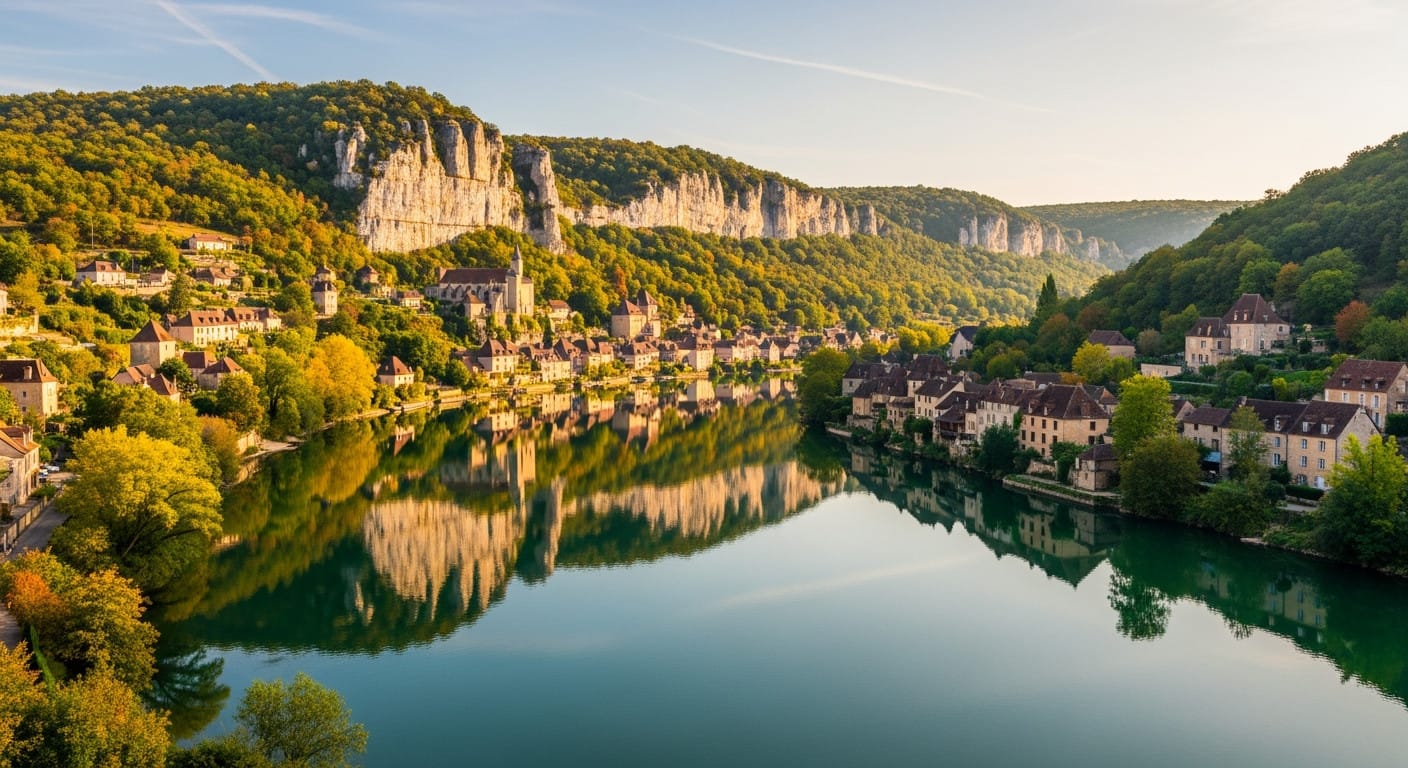
The Dordogne Valley stands out as one of France’s most rewarding spots—and frankly, one of its most underestimated. You’ve got medieval châteaux reflecting in slow green water, prehistoric cave paintings from 17,000 years ago, and walnut wine you won’t find anywhere else. The real question isn’t whether you should go. It’s how to do it without the July crowds turning your dream trip into a sweaty queue.
In my experience, most guides gloss over the logistics. This guide is different. It’s built around what you actually need to know in 2026: real prices, honest transport advice, and those annoying booking steps most people skip.
Quick Facts Box
| Detail | Info |
|---|---|
| Best time to visit | May–June or September–October |
| Budget per day | €80–€150 (mid-range) |
| Duration | 4–7 days minimum |
| Nearest airports | Bergerac (BOD2) or Bordeaux (BOD) |
| Car needed? | Helpful but not essential (see section below) |
| Top base | Sarlat-la-Canéda |
| Must-book in advance | Font-de-Gaume cave (75 visitors/day) |
Top Things to Do in the Dordogne Valley
Visit Font-de-Gaume — While You Still Can
I’ll be blunt: you need to see Font-de-Gaume while it’s still an option. It’s the last cave in Europe with authentic, polychrome prehistoric paintings that hasn’t been closed to the public. Those bison and mammoths painted 14,000 years ago? They look like they were finished last week. But here’s the catch—they only let 75 visitors in per day. That means a walk-in during July is basically impossible.
You need to book your slot at least 3–4 weeks ahead on the official portal. It’s about €15 for adults, and honestly, that 45-minute tour is one of the most humbling things I’ve ever experienced in France. If it’s sold out, don’t panic. The Lascaux IV replica in Montignac is the next-best thing. It sounds like a “fake” experience, but the scenography is world-class.
Lascaux IV 2026 prices:
– Adult: €23
– Children (5–12): €15
– Lascaux IV + Thot combined pass: €26.50
– Prestige Visit: €35
– Gastronomy Evening (includes dinner): €180
Book a cave tour with a local guide via GetYourGuide — I usually recommend this because it includes transport from Sarlat, which solves a huge headache for most visitors.
Canoe the Dordogne River
The river is the soul of this place. Most people launch from Cénac or Beynac, and every single bend reveals another cliff-top castle. You’ve got two main choices:
– Castles Trail (10 km): Takes about 2.5 hours. It’s perfect for families. Paddling past Château de Beynac and Château de Castelnaud in one afternoon is the “classic” Dordogne photo op.
– Grand Course (22 km): Roughly 5 hours. Only do this if you’re ready to commit.
Worth mentioning: kids need to be at least 5 and able to swim 25 meters. Life jackets are always part of the deal. Expect to pay €15–€25 per person for a half-day. You can book through your hotel in Sarlat or just show up in Cénac.
Sarlat-la-Canéda: The Périgord Noir Capital
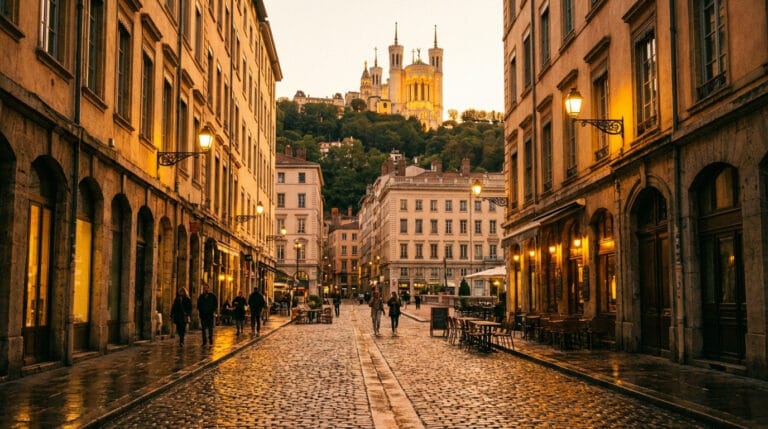
Sarlat is stunning. It’s one of the best-preserved medieval towns in France, almost entirely car-free, and it looks exactly like a 15th-century film set. That’s probably why it’s been used for dozens of movies.
The Saturday market is legendary, but here’s the thing the brochures won’t tell you: Sarlat gets up to 15,000 visitors a day in the summer. Parking is gone by 9 AM. The alleys get crowded. If you have to go in August, get there before 8:30 AM. Seeing the town at dawn before the tour buses arrive is something else entirely.
Don’t miss:
– Cathédrale Saint-Sacerdos — free and right in the middle of things.
– Lanterne des Morts — a weird 12th-century tower that still puzzles historians.
– Rue des Consuls — the best spot for architecture nerds.
– The Saturday and Wednesday markets for foie gras, walnuts, and truffles.
The Châteaux Route
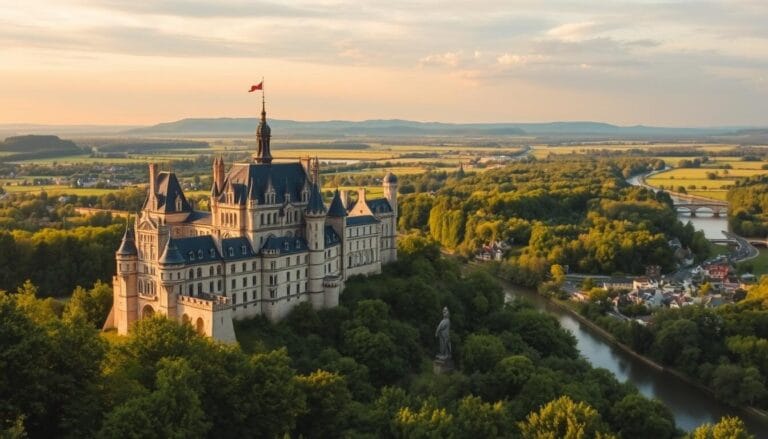
There are over 1,500 châteaux in this valley. That’s more than any other river valley in France. Don’t try to see them all. These are the ones worth your time:
– Château de Beynac: It’s built right into a cliff 150 meters up. The views? Extraordinary. Entry is €10–€12.
– Château de Castelnaud: This one has a medieval warfare museum. Kids love it. Plus, it’s directly across the water from Beynac.
– Château de Milandes: This was Josephine Baker’s home. Her story is incredible, and the grounds are beautiful.
– Rocamadour: It’s about an hour away, but you have to go. It’s a medieval sanctuary built into a cliff face. People still do the pilgrimage today.
Where to Stay in the Dordogne
Sarlat is the best base for most people. It’s central, walkable, and close to the big hitters.
Budget (under €80/night):
You’ll find some great guesthouses in the €55–€80 range. Look for chambres d’hôtes (B&Bs) just outside the historic center. They’re usually better value and way more personal than hotels.
Mid-range (€80–€150/night):
Think boutique hotels in the old town or old manor houses a 15-minute drive away. Check Booking.com and filter for Périgord Noir—you’ll find farmhouses with pools at prices that would be impossible in Provence.
Luxury (€150+/night):
Why stay in a hotel when you can stay in a castle? Château de Maraval near Sarlat is a great example of a historic building turned into a 4-star retreat.
For families: Gîtes (self-catering cottages) are the way to go. You get a private pool and plenty of space. A week usually runs €800–€1,500 during the shoulder season.
Search available hotels and gîtes on Booking.com
Best Restaurants and Food in the Dordogne
The Périgord is known for its “four blacks”: black truffles, black wine (Cahors), foie gras, and walnuts. You’ll see them on every single menu.
What you’ll be eating:
– Foie gras: Usually a starter paired with sweet Monbazillac wine.
– Confit de canard: Duck leg slow-cooked in its own fat. Total comfort food.
– Salade périgourdine: A massive salad with duck gizzards, walnuts, and foie gras.
– Walnut cake (gâteau aux noix): You’ll be craving this long after you get home.
A few tips for eating out:
– Go for the lunch menus (formules). At €14–€22 for three courses, they’re a steal.
– Get out of Sarlat. If you drive 10 minutes into the countryside, the quality goes up and the prices go down.
– Buy your foie gras directly from farmers at the Sarlat market.
– Try the Bergerac wine. It’s the local AOC and honestly excellent. It’s half the price of Bordeaux but comes from the same soil.
Getting to the Dordogne and Getting Around
By Plane
You’ve got two main choices here:
– Bergerac Airport: This is the Ryanair hub. Flights from London, Dublin, and several German cities land here. It’s only 55 km from Sarlat.
– Bordeaux Airport: Better for big international connections. It’s 150 km from Sarlat, but the train connections to Périgueux are solid.
Search flights to Bergerac or Bordeaux via Skyscanner
Can you do it without a car?
Here’s the honest answer: Yes, but you’ll be limited.
If you stay in Sarlat, you can walk everywhere and use the train to get to Bordeaux. The region has also launched the “Dordogne sans pétrole” initiative, which means you can take your bike on any TER regional train for free.
But—and it’s a big but—you’ll miss the remote châteaux and places like Rocamadour. If you aren’t driving, my advice is to book a few guided day tours from Sarlat. It usually ends up cheaper than a week of car rentals and parking fees anyway.
By Car
Renting a car gives you total freedom. Just a heads up: the roads are scenic but can be very narrow and winding. In Sarlat, don’t even try to park in the center. Use the Parking des Cordeliers and walk.
Practical Tips and Budget Breakdown
Daily Budget Guide (per person)
| Category | Budget | Mid-Range | Splurge |
|---|---|---|---|
| Accommodation | €35–€55 | €80–€120 | €150+ |
| Food | €25–€35 | €40–€60 | €80+ |
| Activities | €15–€25 | €25–€40 | €50+ |
| Transport | €0–€5 | €10–€20 | €30+ |
| Daily total | €75–€120 | €155–€240 | €300+ |
Top Tips
– Book Font-de-Gaume now. I can’t stress this enough. It sells out fast.
– Aim for the shoulder season. May, June, September, and October have the best weather and fewer crowds.
– Carry some cash. Farm restaurants and market stalls often don’t take cards.
– Learn the basics. A “Bonjour” goes a long way in rural France.
– Watch out for “fake” truffles. Supermarket truffle oil is usually just chemicals. Buy the real deal from the market producers.
4-Day Dordogne Itinerary
Day 1 — Sarlat Arrival
Check in, wander the old town at sunset, and grab dinner. Try the confit de canard.
Day 2 — Caves and Canoes
Hit Font-de-Gaume in the morning (if you pre-booked!). After lunch in Les Eyzies, spend the afternoon canoeing from Cénac to La Roque-Gageac.
Day 3 — Châteaux and Markets
If it’s Wednesday or Saturday, hit the Sarlat market. In the afternoon, head to Château de Beynac and Château de Castelnaud. They face each other across the river, so you can easily do both.
Day 4 — Rocamadour Day Trip
Drive an hour to Rocamadour. Walk the pilgrimage route and see the Black Madonna. On the way back, stop at Gouffre de Padirac for an underground boat tour—it’s a totally different vibe and worth every penny.
FAQ
When is the best time to visit?
May–June and September–October. You get warm weather without the August madness.
Do I really need a car?
Not strictly, but it makes life easier. If you don’t have one, just book guided tours for the far-flung spots.
How far ahead should I book the caves?
At least 3–4 weeks for the shoulder season and 2 months for summer. Font-de-Gaume is strictly limited to 75 people a day and might not be open to the public forever.
What should I eat?
Foie gras and duck. Look for the “formule” at lunch—it’s the best value you’ll find.
Is the Dordogne Valley good for families?
Yes, genuinely. Lascaux IV is designed for all ages. Canoe routes allow children from age 5 (they must swim 25 meters). The châteaux are visually dramatic and most have accessible paths. Families do best in a self-catering gîte with a pool — it gives you flexibility and cuts food costs significantly.
Final Thoughts
The Dordogne Valley doesn’t try too hard. It just sits there being incredible—17,000-year-old art, villages that haven’t changed in centuries, and a river that looks like a painting. Just do yourself a favor: book Font-de-Gaume first, then plan everything else around it.
Search flights on Skyscanner | Find hotels on Booking.com | Book tours on GetYourGuide
Sources
1. Font-de-Gaume official cave site — visitor regulations
2. Sarlat Tourisme — peak season stats
3. tourisme-en-transition.fr — “Dordogne sans pétrole” initiative
4. lascaux.fr — 2026 pricing
5. canoerandodordogne.com — canoe regulations
Sophie Laurent is a France-based travel writer who has spent 12 years exploring every corner of the country. She has a particular soft spot for the southwest.
AI disclosure: This article was researched and drafted with AI assistance and reviewed by a human editor before publication.