Best Time to Visit Paris 2026: Seasonal Guide
Key Takeaways
- May-June and September-October offer the best balance of weather and crowds
- December brings magical Christmas markets but cold temperatures
- July-August are hottest but most crowded due to school holidays
- Spring showcases beautiful blooms, fall offers harvest season charm
- January-February are cheapest but some attractions have limited hours
Paris, the City of Light, truly captivates visitors all year long with its iconic landmarks, world-class cuisine, and unparalleled artistic heritage. However, the timing of your visit can dramatically affect your experience—we’re talking everything from weather conditions and crowd levels to accommodation prices and what events are even happening.
In this comprehensive seasonal guide for 2026, we’ll break down exactly when to visit Paris based on your priorities. Are you after the best weather, the lowest prices, or the most vibrant cultural events? Use this guide to plan your perfect Parisian adventure.
Understanding Paris’s Climate
Before we dive into the seasons, it’s really helpful to get a handle on Paris’s maritime climate. The city generally experiences mild but changeable weather throughout the year; you won’t find extreme temperatures, but there’s definitely significant variation between seasons. Knowing what to expect helps you pack appropriately and plan activities that actually align with the weather.
Paris gets a moderate amount of rainfall all year, with slightly rainier periods usually in May-June and October-November. The city sees approximately 180 rainy days annually, so in my experience, packing layers and a compact umbrella is always a smart move, no matter when you go.
Spring in Paris (March-May)
Spring is widely considered one of the absolute best times to visit Paris. As the city shakes off winter’s chill, gardens burst into bloom, café terraces swing open, and there’s just this incredible sense of renewal everywhere. Temperatures typically range from around 10°C (50°F) in March to a lovely 15-20°C (59-68°F) by May, making for some truly comfortable walking weather.
Weather Details
March can still feel pretty cold, with average highs of 12°C (54°F) and the occasional rain shower. By April, temperatures usually climb to highs around 15°C (59°F), though rain is still common. May, however, brings the most reliable spring weather, with temperatures often hitting 18-20°C (64-68°F) and much longer daylight hours. Isn’t that just perfect?
What to Expect
Spring in Paris means fewer tourists than summer, which translates to shorter lines at major attractions like the Louvre and Eiffel Tower. You’ll also find a more authentic local atmosphere as Parisians return from their winter breaks. The city really comes alive with outdoor events, and café life absolutely resumes in full force.
Key highlights of a spring visit include seeing the cherry blossoms at Parc de Sceaux, enjoying the stunning tulip displays at the Luxembourg Gardens, and experiencing the vibrant buzz of Paris Fashion Week (which typically runs late February to early March and again in late September). What’s not to love?
Pros and Cons
Pros: Pleasant weather, smaller crowds, beautiful flowers in bloom, reasonable prices (except Easter week), authentic Parisian atmosphere.
Cons: Unpredictable weather, some rain likely, March can still feel cold, May prices start climbing.
Summer in Paris (June-August)
Summer is peak tourist season in Paris, and honestly, there’s a good reason for it. Long days (sunset isn’t until after 10 PM in June!), warm temperatures, and a genuinely festive atmosphere make this a super appealing time to visit. But, you know, it’s also the most crowded and expensive period.
Weather Details
June is often the sunniest month, with average highs around 23°C (73°F). July and August can get hot, with temperatures sometimes reaching 30°C (86°F) or even higher. Plus, heat waves are becoming increasingly common, so some days can feel uncomfortably warm for sightseeing. Trust me, you’ll be sweating!
Thunderstorms are frequent in late summer, which can be a welcome relief from the heat, but they might occasionally disrupt your outdoor plans. Despite the warmth, evenings remain perfectly pleasant for dining al fresco.
What to Expect
Summer brings the full tourist experience: lively street scenes, outdoor concerts, festivals, and that famous Parisian café culture at its absolute best. The Champs-Élysées even becomes a pedestrian zone on Sundays, and the city hosts tons of cultural events.
Key highlights? You’ve got Bastille Day celebrations on July 14th (think fireworks, military parades, street parties), the Tour de France finishing in Paris (typically late July), and the 暑期音乐节 (Summer Music Festival) with free concerts all over the city. However, be aware that August is when many Parisians actually leave the city for their summer holidays. Some restaurants, shops, and businesses close entirely, while those that stay open might have limited hours. So, plan accordingly.
Pros and Cons
Pros: Longest daylight hours, warmest weather, full availability of attractions and events, festive atmosphere, perfect for outdoor dining.
Cons: Maximum crowds at major attractions, highest accommodation prices, some establishments closed in August, potential heat waves, need to book restaurants and tours well in advance.
Fall in Paris (September-November)
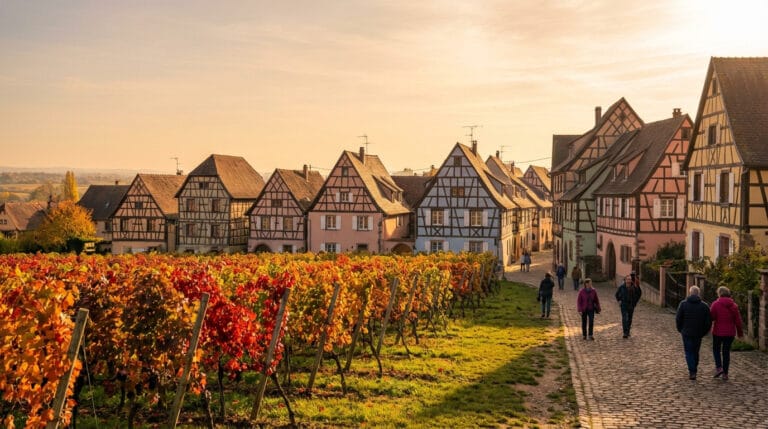
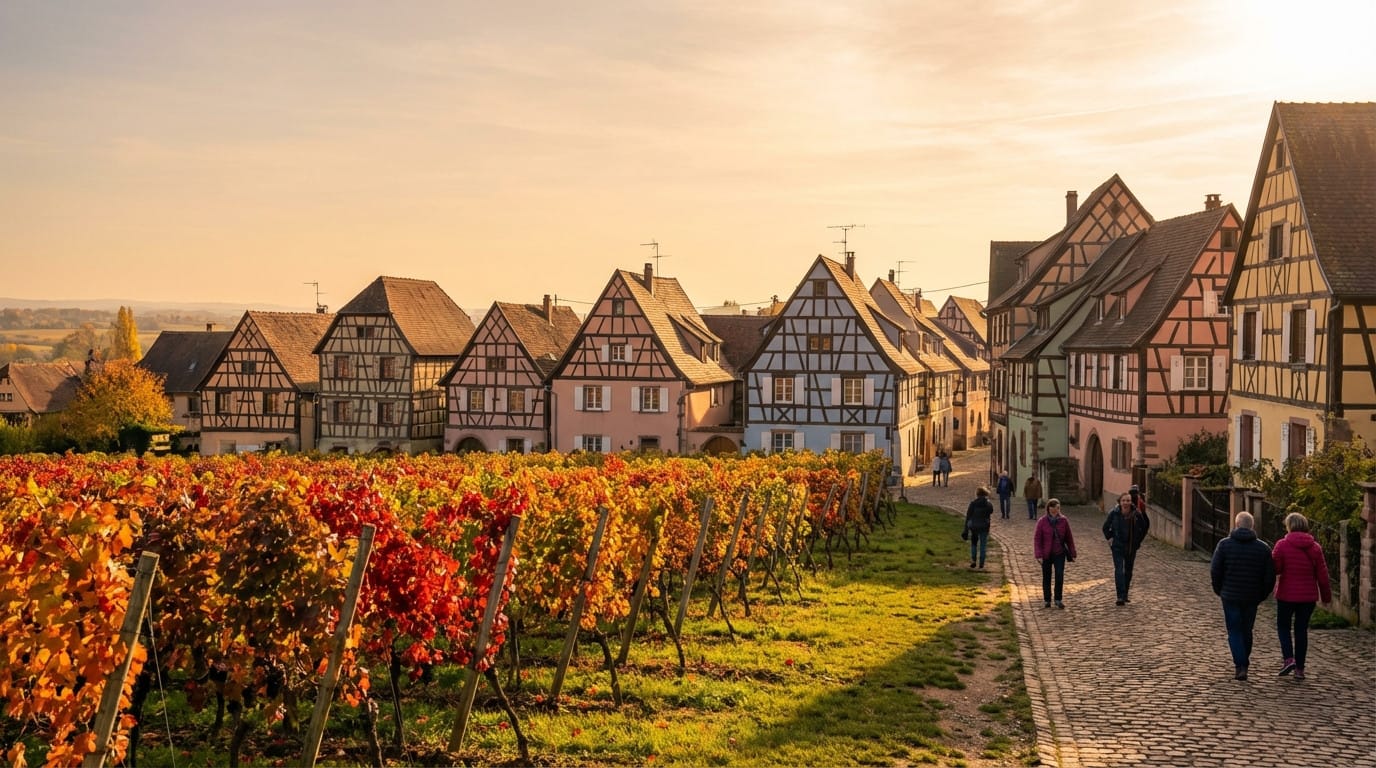
Many experienced Paris travelers, and I’d include myself here, consider fall the ideal time to visit. The summer crowds start to thin out, temperatures stay pleasant, and the city takes on this truly romantic quality as the leaves begin to change color. September and October, in particular, really stand out as excellent months.
Weather Details
September often offers summer-like weather with average highs around 21°C (70°F), though October cools down to highs of 15°C (59°F). November can feel quite chilly, with highs around 10°C (50°F) and increased rainfall. Still, those crisp autumn days can be perfectly comfortable for walking tours. Who doesn’t love a good stroll?
What to Expect
Fall transforms Paris into a painter’s palette of warm colors, especially beautiful in the Tuileries Gardens, Parc Monceau, and the gardens of Versailles. The harvest season brings incredible produce to markets and restaurants, making this a fantastic time for food lovers. Honestly, the food scene is next level.
Key highlights include Paris Fashion Week (late September/early October), the Nuit Blanche all-night art festival in October, and the Montmartre Grape Harvest festival. Plus, the conditions are just perfect for day trips to the Champagne region or those stunning Loire Valley castles.
Pros and Cons
Pros: Beautiful autumn colors, harvest season cuisine, smaller crowds than summer, comfortable temperatures, good prices (early September, November), excellent for wine tasting and gastronomy.
Cons: Weather becomes unpredictable by late October, increased rainfall, shorter days, some attractions close earlier in the evening.
Winter in Paris (December-February)
Winter in Paris offers a magical, festive atmosphere that really draws visitors seeking holiday charm. While temperatures are cold and daylight hours are limited, the city’s winter attractions and cultural offerings create a truly unique experience.
Weather Details
December and January are the coldest months, with average highs around 7°C (45°F) and lows near 2°C (36°F). Snow is rare but definitely possible, which just adds to the city’s charm when it happens. February is similarly cold but often brings the first hints of approaching spring. You might even catch a glimpse!
Paris experiences approximately 10 hours of daylight in winter, with sunset around 5 PM. But here’s the cool part: that early darkness means the city’s famous lighting displays shine for longer, creating such a romantic atmosphere.
What to Expect
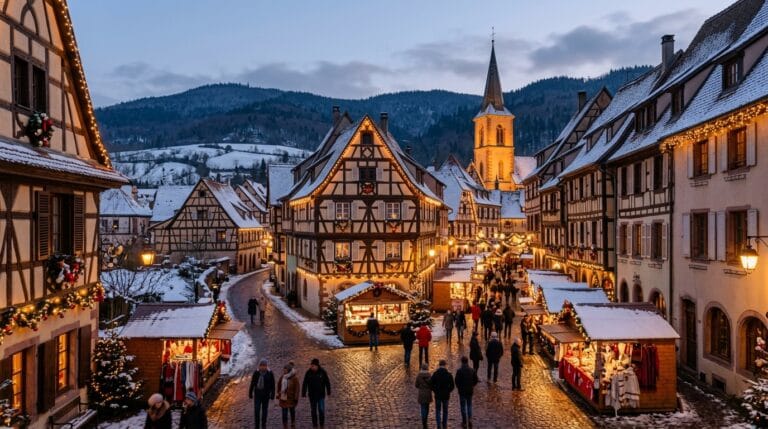
Winter truly transforms Paris into a winter wonderland, especially around the holidays. The Champs-Élysées sparkles with lights, Christmas markets pop up all across the city (most notably at Champs-Élysées and Place de la Concorde), and department stores like Galeries Lafayette and Le Bon Marché put on elaborate holiday decoration shows. It’s truly spectacular.
Key highlights include the Paris Christmas markets, ice skating rinks at Hôtel de Ville and other spots, New Year’s Eve celebrations on the Champs-Élysées, and fewer crowds at major museums and attractions. January and February are the quietest months, perfect for visitors wanting a more authentic Parisian experience. Many restaurants and shops get back to their normal hours after the holiday rush, and prices drop significantly. So, if you’re on a budget, this might be your sweet spot.
Pros and Cons
Pros: Magical Christmas atmosphere, lowest prices of the year, smallest crowds at attractions, romantic winter ambiance, excellent for museum visits, special holiday events.
Cons: Cold weather, short daylight hours, some restaurants and attractions closed in January/February, potential for rain and gray skies.
Monthly Breakdown
To help you plan even more precisely, here’s a detailed breakdown of what to expect each month:
January: Lowest prices, smallest crowds, some closures post-holiday, cold but romantic atmosphere.
February: Similar to January, Valentine’s Day brings romantic specials, Paris Fashion Week (varies), cold but improving.
March: Spring begins, increasing daylight, prices rising, weather unpredictable, can be very pleasant or quite cold.
April: Easter activities, comfortable temperatures (15°C average), more crowds, beautiful spring blooms.
May: Excellent weather, moderate crowds, Fêtes de Mai events, longer days, prices climbing.
June: Summer begins, warm weather, longest days, Paris Fashion Week (late June), summer prices starting.
July: Peak summer, hottest weather, Bastille Day (14th), Tour de France finale, maximum crowds.
August: Hot weather, many Parisians away, some closures, slightly fewer tourists than July, summer prices.
September: Excellent choice, summer weather continues, smaller crowds, Paris Fashion Week, harvest season begins.
October: Beautiful autumn colors, comfortable temperatures, Nuit Blanche festival, good prices (except mid-month).
November: Low prices, fewer tourists, increased rain, atmospheric gray days, preparations for holidays begin.
December: Christmas markets, festive atmosphere, holiday decorations, higher prices, cold but magical.
Best Time Based on Your Priorities
Your ideal visit time really depends on what matters most to you. Here’s a quick guide:
Best Weather: May-June or September-October offer the most reliable, comfortable temperatures with minimal rainfall.
Lowest Prices: January-February offer the best deals on flights and accommodation, though some attractions have limited hours.
Fewest Crowds: January-February or November provide the most peaceful experience at major attractions.
Best for Sightseeing: Late April-June or September-October balance good weather with manageable crowds.
Christmas and Festive Season: Late November through December, with the Christmas markets creating a magical atmosphere.
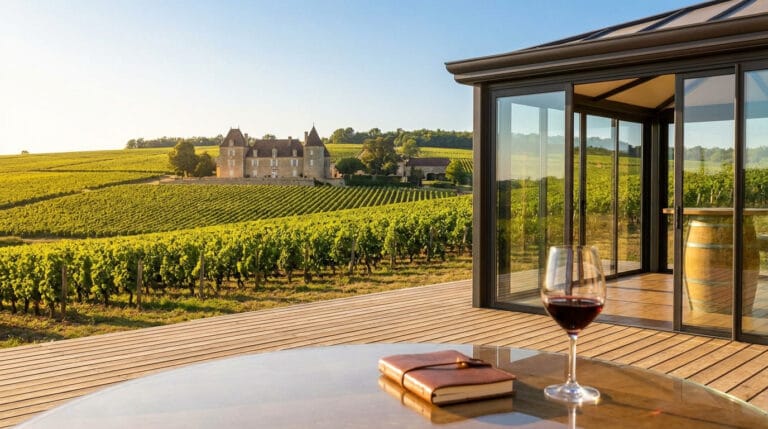
Food and Wine: September-November offers harvest season produce and excellent wine conditions.
Romantic Getaway: December (holiday lights) or February (Valentine’s Day, fewer crowds).
Finding Cheap Flights to Paris
Regardless of when you visit, finding affordable flights definitely requires some strategy. Paris is served by two major airports: Charles de Gaulle (CDG) and Orly (ORY), plus the smaller Beauvais (BVA) for budget carriers.
General tips for finding cheap flights include booking 2-4 months in advance for summer travel, being flexible with your travel dates (Tuesdays and Wednesdays are typically cheapest, in my experience), using flight comparison tools and setting price alerts, considering nearby airports if your schedule allows, and traveling in the off-season (November-March excluding holidays) for the best deals. Budget airlines like EasyJet, Ryanair, and Vueling often offer very cheap flights to Paris Beauvais, though you’ll definitely trade convenience for price. Traditional carriers may offer better timing and even include baggage, so you’ll want to compare total costs.
Budget Travel Tips
Paris can be expensive, but there are absolutely ways to make your trip more affordable. Consider visiting during the off-season (January-February or November), staying in neighborhoods beyond the immediate center (like Belleville, Oberkampf, or Montmartre), and taking advantage of free attractions like the Marais, Canal Saint-Martin, and free museum entry on first Sundays. You should also use the Paris Metro rather than taxis, eat at lunch instead of dinner (same quality, lower prices!), and book attraction tickets in advance to avoid markup and long lines. It’s all about being savvy, right?
Making the Most of Your Visit
Regardless of when you choose to visit, certain strategies will definitely enhance your Paris experience. Always book accommodation and popular restaurants well in advance, especially for peak season visits. What I find really helpful is considering a Paris Museum Pass if you plan to visit multiple attractions—it can save both time and money. Plus, who wants to stand in line all day?
You need to learn a few basic French phrases; while many Parisians speak English, making an effort in French is always appreciated. Embrace the local pace—Parisians don’t rush, and honestly, neither should you. Take time to sit at cafés, wander without a strict itinerary, and just soak in the atmosphere that makes this city so special. Remember that Paris reveals itself gradually. The best experiences often come from wandering through neighborhoods like Le Marais, along the Canal Saint-Martin, or through the covered passages of the 9th arrondissement. Whatever season you choose, Paris will absolutely enchant you.
Related France Guides
Frequently Asked Questions
What is the cheapest time to visit Paris?
January and February offer the lowest prices for flights and accommodation. November (excluding Thanksgiving week) also has excellent deals. However, some restaurants and attractions might have limited hours during these off-peak months, so be aware of that.
What is the best month for weather in Paris?
May, June, and September offer the best weather with comfortable temperatures (15-25°C/59-77°F), lower rainfall, and long daylight hours. July and August can get very hot (sometimes over 30°C/86°F), while December-February are cold with short days.
How many days do I need in Paris?
A minimum of 3-4 days allows you to see major attractions like the Eiffel Tower, Louvre, and Notre-Dame area. For a more relaxed experience with day trips to Versailles, the Champagne region, or the Loire Valley, you should plan for 5-7 days.
Is Paris crowded in July and August?
Yes, July and August are the peak tourist months in Paris. You’ll definitely experience large crowds at major attractions, higher prices, and the need to book restaurants and tours well in advance. However, many Parisians actually leave in August, which can give parts of the city a slightly quieter feel.
What should I pack for Paris in different seasons?
For spring/fall: layers, a light jacket, comfortable walking shoes, and an umbrella are must-haves. For summer: light clothing, sunscreen, and a hat are key, but also pack a light layer for evenings. For winter: a warm coat, layers, scarf, gloves, and waterproof shoes are essential. Regardless of the season, always bring comfortable walking shoes—Paris is absolutely best explored on foot.
Are Christmas markets in Paris worth visiting?
Absolutely! The Paris Christmas markets, particularly at Champs-Élysées and Place de la Concorde, create such a magical atmosphere with lights, decorations, mulled wine, and holiday treats. They typically run from late November through early January. December offers the most festive experience, though it’s also more crowded and expensive.
Affiliate note: We may earn a commission from Travelpayouts partner links at no extra cost to you.
Book Your Paris Trip (Travel Deals)
Compare flight and hotel options with Travelpayouts tools: