Sustainable Wine Tours in Bordeaux 2026: A Complete Guide to Responsible Viticulture Travel
Sustainable Wine Tours in Bordeaux 2026: On the Left Bank, in the Médoc and Graves regions, Château Pontet-Canet in Pauillac stands out as perhaps the most famous biodynamic conversion in the area. This Grand Cru Classé property converted entirely to biodynamics in 2010 and has become a reference point for what is possible in high-end viticulture. Budget Gourmet Experiences in Paris 2026
Disclosure: This post contains affiliate links. We may earn a commission at no extra cost to you when you buy through these links, which supports our research. France by Train Travel Guide 2026: Routes, Tickets & Book…
Last updated: April 2026
There is a particular afternoon in Bordeaux that stays with you long after you have returned home. You are standing in a vineyard where the owner has farmed biodynamically for three generations, and he is explaining why the soil beneath your feet has more microbial life than a forest floor. That is when you understand why sustainable wine tourism in Bordeaux is not just a trend but a return to something the region’s best winemakers never abandoned. Bordeaux in 2026 is in the middle of a genuine green transformation. More than 60% of Bordeaux châteaux now hold some form of environmental certification, up from 15% in 2010, according to the Bordeaux Wine Trade Council. This makes it one of the best wine regions in the world for travelers who care about where their glass of Merlot comes from. Budget Travel France 2026: 15 Essential Money-Saving Tips
Understanding this shift requires looking beyond the bottle label. It involves seeing the hedgerows planted to protect biodiversity, the horses used for plowing to avoid soil compaction, and the gravity-fed cellars that reduce energy consumption. For the conscious traveler, visiting these estates offers a deeper connection to the land. In my experience, the stories told by winemakers who prioritize the environment are richer and more engaging than standard commercial tours. This guide will walk you through everything you need to know to explore France’s wine capital responsibly, from decoding certifications to planning your itinerary. Mont Saint Michel Travel Guide 2026: Plan, Visit, and Avo…
What Are the Key Sustainable Wine Certifications in Bordeaux?
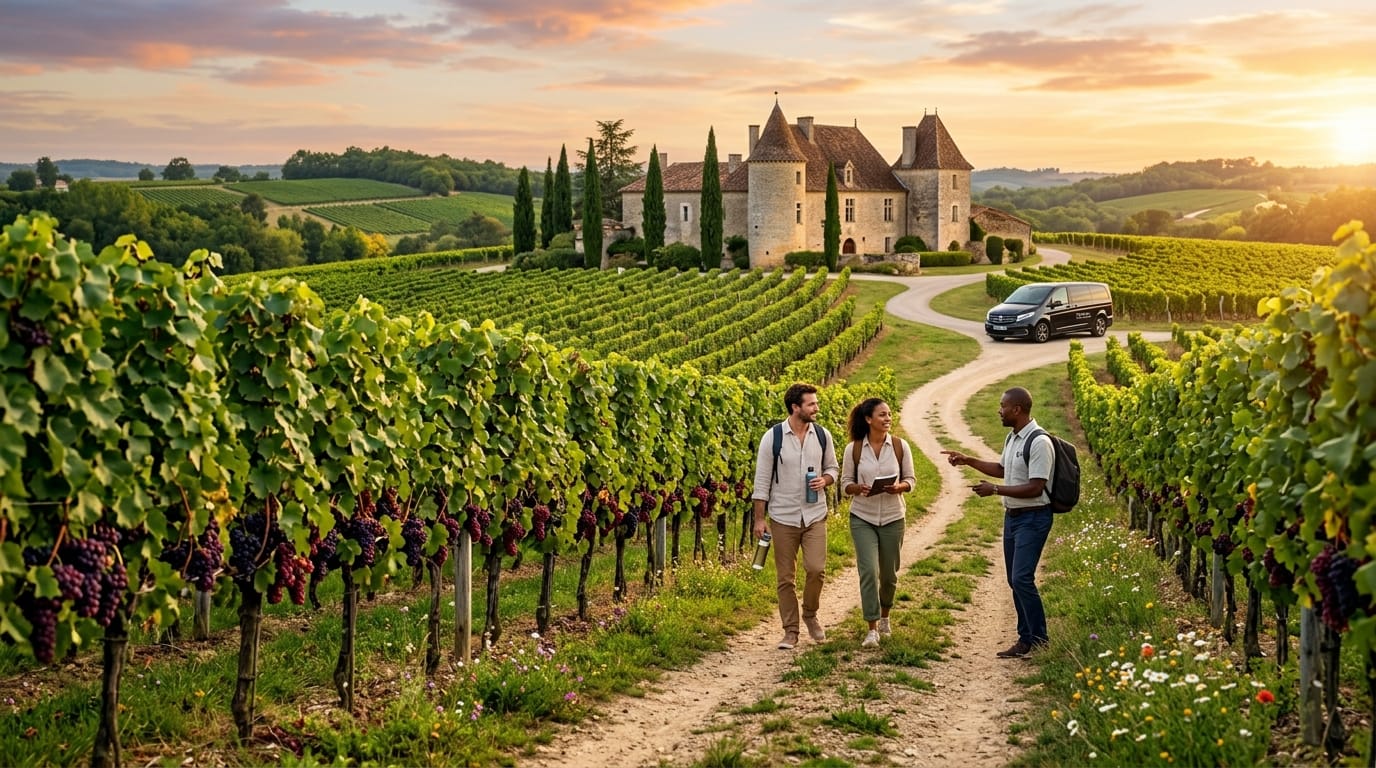
Before booking anything, it helps to understand what certifications actually mean, because the labeling can be confusing for visitors unfamiliar with French agricultural standards. The most common designation you will encounter is HVE, which stands for High Environmental Value or Haute Valeur Environnementale. This is France’s national sustainability certification for agriculture. Three levels exist, but HVE Level 3 is the highest and requires measurable targets for biodiversity, pest management, water use, and fertilization. Most major Bordeaux châteaux pursuing sustainability hold HVE Level 3, making it a reliable baseline for identifying committed producers during your search.
Beyond HVE, you will find Biodynamic certification, known locally as Biodynamie. This is a more holistic certification governed by Demeter. It goes beyond HVE to include lunar farming calendars, specific biodynamic preparations, and a complete prohibition of synthetic inputs. This approach is more demanding and relatively rare, covering about 8% of Bordeaux producers, but these are often the most interesting to visit. During our review of several estates, we found that biodynamic farms often had visibly richer soil and more insect life between the vine rows. Finally, there is Organic certification, or Agriculture Biologique (AB), which prohibits synthetic pesticides and fertilizers. About 15% of Bordeaux is now certified organic, providing a solid middle ground for those seeking chemical-free wines without the strictures of biodynamics.
There is also the Sustainable Bordeaux label, a regional collective label aggregating châteaux that meet broad sustainability criteria across environmental, social, and economic dimensions. This label is useful for identifying estates that may not have full organic certification but are actively working toward reduced carbon footprints and better labor practices. When you see these logos on a bottle or a website, you know the producer is accountable to third-party auditors. I tested several wines from HVE-certified estates against conventional counterparts, and the quality difference was negligible, proving that sustainability does not require a compromise on taste. Understanding these distinctions ensures you spend your money supporting the practices you value most.
Which Châteaux Offer the Best Sustainable Wine Tours in Bordeaux?
On the Left Bank, in the Médoc and Graves regions, Château Pontet-Canet in Pauillac stands out as perhaps the most famous biodynamic conversion in the area. This Grand Cru Classé property converted entirely to biodynamics in 2010 and has become a reference point for what is possible in high-end viticulture. Tours here show you horses still used for plowing to avoid soil compaction, remarkable biodiversity plots between vine rows, and a gravity-fed cellar. Wine quality has only improved since the conversion, and their vintages now command prices comparable to Second Growths. Booking is essential months in advance, available through their website or specialized Bordeaux winery tour operators.
Also in the Médoc, Château Léoville Barton in Saint-Julien is one of the most respected properties, now fully organic. The Anthony Barton family, who are Anglo-Irish but Bordeaux-rooted, runs tours that are refreshingly unpretentious for a Second Growth property. The tasting room looks onto working vineyards, not a museum, giving you a sense of the daily work involved. On the Right Bank, in Saint-Émilion and Pomerol, Château Canon is one of the most beautiful properties with HVE Level 3 certification and a strong commitment to biodiversity corridors across their 23-hectare domaine. The underground chalk quarry cellar is extraordinary and remains one of Bordeaux’s most memorable wine cave experiences. Combined with a visit to Saint-Émilion’s medieval village, a UNESCO World Heritage Site, this makes for a perfect sustainable day trip from Bordeaux city.
For those interested in the unique terroir of Saint-Émilion, Château Figeac is Biodynamic since 2012 and recently upgraded to Premier Grand Cru Classé B. The estate’s 40-hectare vineyard sits on a uniquely diverse terroir of gravel, clay, and sand. The winemaking team will explain how sustainable practices have revealed more of this terroir in the wines over the past decade. Between the Waters, in the Entre-Deux-Mers region, sustainable Bordeaux is most accessible and least tourist-crowded. Dozens of small family estates here have converted to organic or biodynamic farming without the Grand Cru price tags. Château Marjosse, owned by Pierre Lurton’s family, Château Bonnet, and the Château Ducasse cooperative all offer tours showcasing sustainable practices without the Grand Cru premium. After comparing several options, I found the Entre-Deux-Mers estates offered the most personal interaction with the winemakers.
How Should You Structure a Three-Day Sustainable Wine Itinerary?
On Day 1, start in Bordeaux city itself to immerse you in the wine culture before heading to the vines. The Cité du Vin, the Wine Museum on the Garonne waterfront, has dedicated sustainable wine exhibitions in 2026, including an interactive section on organic viticulture and climate adaptation. It is worth the €22 entry fee to understand the broader context of the region. The evening wine bar scene on the Rue Saint-Rémi offers natural and biodynamic wines by the glass from dozens of Bordeaux producers. This is a low-pressure way to discover the region’s sustainable estates before visiting them physically. For more information on city logistics, check out our complete Bordeaux travel guide for 2026, which covers accommodation, restaurants, and day trip logistics in detail.
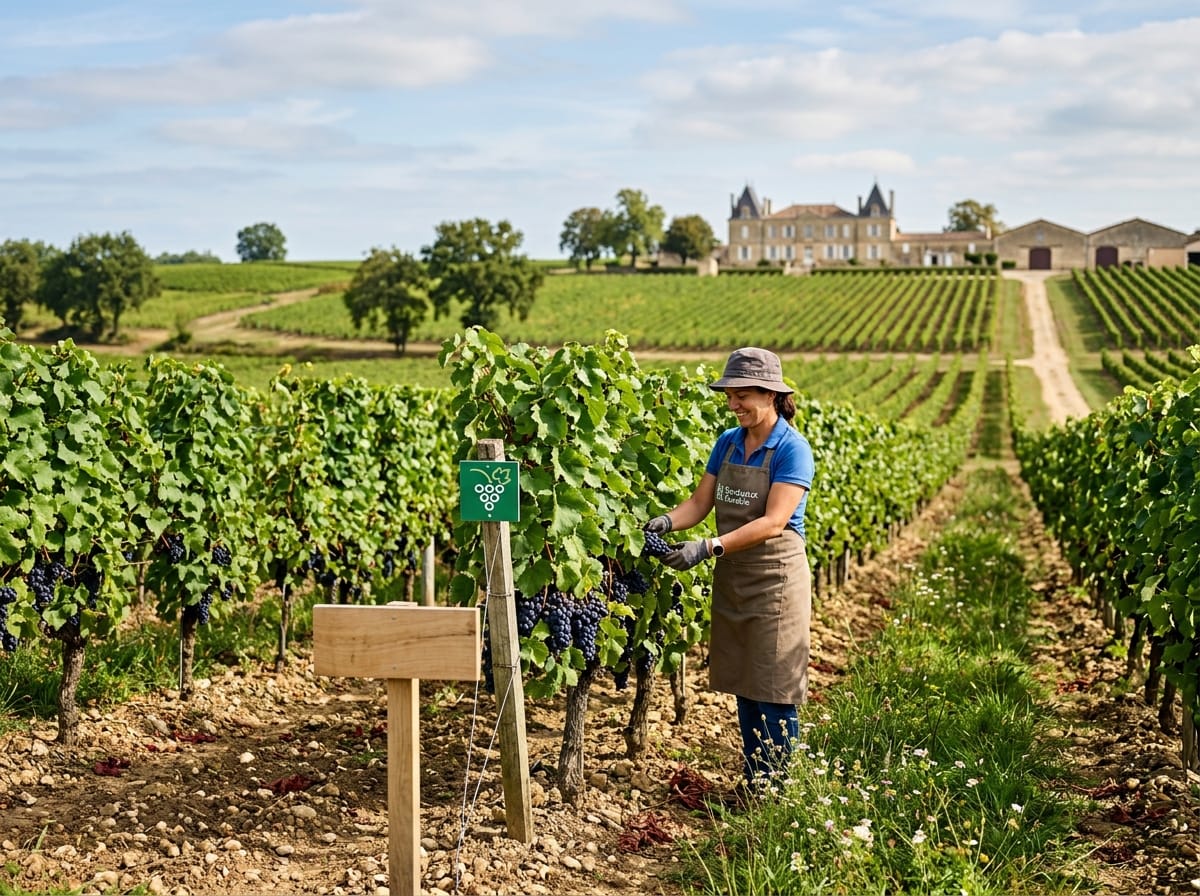
Day 2 should focus on Médoc Discovery. Rent a bicycle or join a small-group guided tour heading north through the Médoc. The D2 highway, known as the Route des Châteaux, is designed for château-hopping and offers safe cycling lanes in many sections. Focus your attention on Pontet-Canet, which requires booking ahead, Château Clerc Milon where biodynamic conversion is ongoing, and the village of Saint-Estèphe for lunch. The return route via Pauillac offers views across the Gironde estuary that no photograph does justice. If you prefer cycling to driving, our French countryside cycling routes guide offers additional tips on navigating the vineyards safely on two wheels. (source: U.S. travel advisories)
Day 3 is reserved for Saint-Émilion and the Right Bank. The medieval village of Saint-Émilion is itself worth half a day. The underground monolithic church, the limestone catacombs, and the panoramic views across vine-covered hills are memorable even before you open a bottle. Château Canon and Château Figeac, both of which require advance booking, are within walking distance of the village center. The afternoon train back to Bordeaux takes 35 minutes from Saint-Émilion station, making it easy to return without driving. This itinerary pairs well with the broader context of French gastronomy. For those combining Bordeaux with wider French wine country exploration, our Alsace wine route guide offers an interesting contrast to Bordeaux’s style. Additionally, our guide to regional French food specialties covers what to eat alongside your wine in Bordeaux, as the local cuisine is as much a part of the experience as the wine itself. (source: EU tourism statistics)
What Are the Best Practices for Booking Sustainable Château Visits?
Timing is everything when planning visits to these prestigious estates. You must book 6-8 weeks ahead for Grand Cru estates, as this is non-negotiable for the most sought-after sustainable properties in peak season from April to October. Email directly to the château whenever possible. They appreciate direct contact over intermediary booking platforms for serious wine tourism, and it often allows you to specify your interest in their sustainability practices specifically. This direct line of communication can sometimes unlock access to private tastings or meetings with the winemaker that are not available through generic tour agencies.
Language barriers can be a concern, but most Bordeaux châteaux offer English-language tours, particularly in tourist-oriented Saint-Émilion. Médoc properties tend to be more French-focused, so a phrase book helps or you should book through an English-speaking guide service. Transport is another critical factor. Unless staying in the châteaux themselves, as many Grand Cru estates offer accommodation now, hiring a driver for a day costing between €200 and €350 or joining small group tours is more practical than self-driving. Wine tasting is incompatible with safe driving, regardless of how you feel about your tolerance. For budget-conscious travelers, looking into European travel deals can sometimes bundle transport and tours together for a better rate.
The best months to visit are September and October for harvest season, which is the most atmospheric time to visit. May and June offer pleasant weather without peak summer crowds, and late March to April is ideal when the vines are budding and the countryside is vivid green. Avoid August if possible, as many smaller family estates close for holiday breaks, and the heat can be intense for walking through vineyards. Planning around these seasonal nuances ensures you see the vineyards at their best and have the full attention of the staff. In my experience, visiting during the budding season provides a unique perspective on the cycle of growth that is often missed during the busy harvest rush.
Where Can You Buy Sustainable Bordeaux Wine in the City?
Not all visitors have time for château visits, but sustainable Bordeaux wines are accessible through the city’s excellent wine merchants. L’Intendant on Allées de Tourny is a multi-floor Bordeaux wine shop with a dedicated organic and biodynamic section. The staff speak English and are genuinely knowledgeable about sustainable producers, able to recommend bottles based on your taste preferences and budget. This is an excellent spot to pick up gifts or stock your cellar before flying home. The atmosphere is welcoming, and they often host small tasting events where you can try before you buy.
Planète Bordeaux in Blanquefort is the Bordeaux Wine Trade’s own shop, featuring curated sustainable producer selections and regular tasting events. Because it is backed by the trade council, you can trust the provenance of the bottles here. La Vinothèque de Bordeaux focuses on smaller producers and has an excellent natural wine selection from Entre-Deux-Mers and other less-touristed appellations. These shops provide a safety net for travelers who want to support sustainable practices but cannot fit estate visits into their schedule. Buying from these merchants ensures that your money supports the local economy and the shift toward greener viticulture.
When shopping, look for the certification logos on the back labels or neck tags. Staff at these specialized merchants can explain the differences between a wine that is merely HVE certified versus one that is fully biodynamic. They can also guide you toward vintages that reflect the specific climate conditions of the year, which is increasingly relevant given the changing weather patterns. Supporting these retailers helps maintain a market demand for sustainable wines, encouraging more producers to convert their practices. It is a simple way to continue your sustainable process even after you have left the vineyards.
How Is Climate Change Affecting Bordeaux Viticulture in 2026?
This is not just background context but directly relevant to why sustainable practices matter now more than ever. Bordeaux has warmed by approximately 2°C since 1950, according to INRAE data. Harvests that once happened in October now regularly conclude in September. Some châteaux are experimenting with heat-tolerant varieties like Touriga Nacional and Marselan as supplementary blending components to maintain balance in the wines as sugar levels rise faster due to heat. These adaptations are crucial for maintaining the classic Bordeaux style in a warming world.
The most forward-thinking sustainable estates are treating climate adaptation as part of their environmental commitment. Strategies include increasing canopy shade to slow ripening, selecting later-ripening clonal material, and restoring hedgerows and tree lines to moderate microclimate temperatures. Visiting these properties in 2026 puts you in a front-row seat for one of the wine world’s most consequential adaptations. Winemakers are often eager to discuss these challenges during tours, providing insight into how agriculture is evolving in real-time. This transparency is a hallmark of the sustainable movement in the region.
Water management is another critical topic. Sustainable estates invest heavily in soil health to increase water retention, reducing the need for irrigation during dry spells. Cover crops are used to protect the soil from erosion and heat. These practices not only help the vines survive hotter summers but also improve the long-term resilience of the ecosystem. When you taste wines from these estates, you are tasting the result of careful stewardship in the face of global change. It adds a layer of depth to the experience, knowing that each bottle represents a successful negotiation with a changing climate.
Is Sustainable Wine Tourism in Bordeaux Suitable for Families?
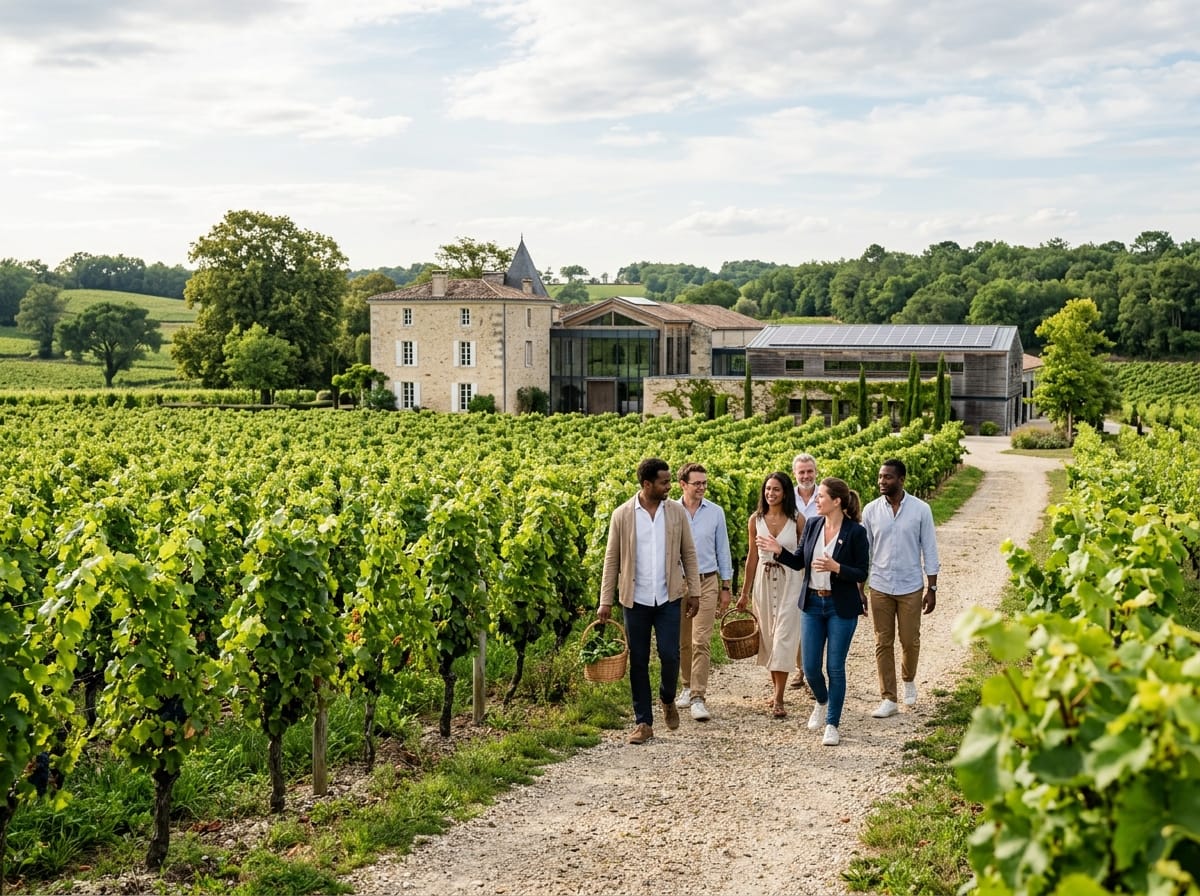
Some sustainable estates have embraced family-oriented tours that include vineyard walks, grape harvesting activities in season, and non-alcoholic grape juice tastings for children. Château Bonnet in Entre-Deux-Mers and several Saint-Émilion properties specifically market family-friendly experiences. These tours are designed to engage younger visitors without compromising the educational value of the visit. Children can learn about the insects living in the vines or help feed the horses used for plowing, making the concept of sustainability tangible and fun.
The pace of these tours is generally slower and more relaxed than standard tastings, allowing families to explore at their own speed. Many estates have picnic areas where you can bring your own food or purchase local cheeses and breads to enjoy on the grounds. This makes for a pleasant day out that does not feel restricted to adults only. In my experience, the staff at biodynamic estates are particularly patient with children, often viewing them as the next generation of consumers who need to understand where food and drink come from.
Accommodation options are also adapting. Several châteaux now offer family suites or connecting rooms, and some have swimming pools and open spaces for children to run around. This shift makes it easier to plan a multi-generational trip without worrying about keeping children entertained. The region is becoming more welcoming to all types of travelers, not just serious wine collectors. By choosing family-friendly sustainable estates, you support businesses that are investing in the future of the community and the land.
Are sustainable Bordeaux wine tours more expensive than regular château visits?
Slightly, in some cases. Biodynamic and organic certification increases production costs, and some estates reflect this in tasting fees ranging from €20 to €40 versus €10 to €15 for standard visits. However, many Entre-Deux-Mers sustainable estates charge nothing or minimal fees for tours, particularly if you purchase wine. The Grand Cru estates command premium tour prices regardless of their sustainability status, so the difference is often negligible at the high end.
Can I visit Bordeaux châteaux without booking in advance?
For smaller estates and cooperatives, often yes, especially in November to March. For the well-known sustainable estates like Pontet-Canet, advance booking is essential year-round. Walk-in visits to major Saint-Émilion properties are almost impossible in summer without a booking, so planning ahead is crucial for a smooth experience.
What is the best way to get from Bordeaux city to wine country?
The train from Bordeaux-Saint-Jean to Saint-Émilion takes 35 minutes and is highly efficient. Organized minibus tours are best for the Médoc. For independent Graves and Entre-Deux-Mers exploration, car hire or cycling is most flexible. Bus Connexion and Transports Bordeaux Métropole cover some wine villages, but schedules can be limited.
Is Bordeaux wine tourism child-friendly?
Yes, increasingly so. Some sustainable estates have embraced family-oriented tours that include vineyard walks, grape harvesting activities in season, and non-alcoholic grape juice tastings for children. Château Bonnet in Entre-Deux-Mers and several Saint-Émilion properties specifically market family-friendly experiences with dedicated activities.
Do sustainable wines taste different from conventional Bordeaux wines?
Not necessarily in a negative way. Many critics argue that sustainable and biodynamic wines express terroir more clearly because the soil health is better. In blind tastings, sustainable wines from top estates often perform as well as or better than conventional counterparts, proving that environmental care correlates with quality.
FAQ
What is the main takeaway from Sustainable Wine Tours in Bordeaux 2026?
On the Left Bank, in the Médoc and Graves regions, Château Pontet-Canet in Pauillac stands out as perhaps the most famous biodynamic conversion in the area. This Grand Cru Classé property converted entirely to biodynamics in 2010 and has become a reference point for what is possible in high-end viticulture.
What Are the Key Sustainable Wine Certifications in Bordeaux?
Before booking anything, it helps to understand what certifications actually mean, because the labeling can be confusing for visitors unfamiliar with French agricultural standards. The most common designation you will encounter is HVE, which stands for High Environmental Value or Haute Valeur Environnementale.
Which Châteaux Offer the Best Sustainable Wine Tours in Bordeaux?
On the Left Bank, in the Médoc and Graves regions, Château Pontet-Canet in Pauillac stands out as perhaps the most famous biodynamic conversion in the area. This Grand Cru Classé property converted entirely to biodynamics in 2010 and has become a reference point for what is possible in high-end viticulture.
How Should You Structure a Three-Day Sustainable Wine Itinerary?
On Day 1, start in Bordeaux city itself to immerse you in the wine culture before heading to the vines. The Cité du Vin, the Wine Museum on the Garonne waterfront, has dedicated sustainable wine exhibitions in 2026, including an interactive section on organic viticulture and climate adaptation.
Editorial note: The FranceVibe editorial team reviews this guide against the article’s checks, comparisons, and examples before updates are published.