By Claire Dubois
The French Riviera’s hidden gems in 2026 include Cap Ferrat, Èze-sur-Mer, Antibes’ old town, and the hillside villages of Mougins and Valbonne — places most tourists on the Cannes-Nice-Monaco circuit totally miss out on. This day-by-day itinerary shows you exactly where to go and when.
I’ve spent years exploring the Côte d’Azur beyond the postcard versions, and honestly, I can tell you: the Riviera most visitors experience is a pale imitation of what’s actually here. The real magic? It’s tucked away just off the main roads, in fishing villages that haven’t been totally swallowed by tourism, in hilltop towns where lunch still costs €12,, and on beaches that might take a fifteen-minute walk to get to, but feel like your own private paradise. Here’s how to find it.
Day 1: Arrive in Nice — Navigate Like a Local, Not a Tourist
Nice is your gateway, but seriously, don’t let it gobble up your first day doing the usual tourist stuff. Skip the Promenade des Anglais photo-walk for now. Instead, drop your bags and head directly to Cours Saleya market if it’s morning — the flower and produce market here is honestly one of France’s best sensory experiences, and it closes at 1pm.
After the market, just walk Old Nice (Vieux-Nice) and get completely lost. The Baroque architecture in these narrow streets is stunning — the Chapelle de la Miséricorde and the Cathédrale Sainte-Réparate are both architectural treasures without the usual queues you’d find at more famous French churches. What’s cool is the color palettes of the building facades here; they’re something you won’t see anywhere else in France: burnt ochre, faded yellow, terracotta, deep pink.
Lunch: Chez Thérésa at the market (if you’re there by noon) or Lou Pilha Leva on Rue de la Poissonnerie — a standing-lunch joint that’s a local favorite for socca (chickpea pancake) and pan bagnat.
Afternoon: Take the elevator to the Colline du Château (Castle Hill) — it’s free, the views over the Bay of Angels are absolutely incredible, and it’s always a bit overlooked because, well, people assume a “castle hill” with no actual castle isn’t worth the trip. Trust me, it absolutely is.
Evening: Stay in Nice’s residential Carabacel or Cimiez neighborhoods for dinner — walk up Boulevard de Cimiez where the restaurants are priced for locals, not some inflated tourist rate.
Day 2: Cap Ferrat — The Riviera’s Best-Kept Secret Peninsula
Cap Ferrat is the answer to the question: “Where do French people go when they want the Riviera without the crowds?” It’s a 15-minute bus from Nice (Bus #15 from Place Garibaldi), and honestly, it’s like stepping into a different world.
The Sentier du Littoral — that coastal path circling Cap Ferrat — is 10km of pure Mediterranean magic, plain and simple. Think rocky coves, turquoise water, and pines practically growing sideways over cliffs. The path takes 3-4 hours at a leisurely pace and passes secluded beaches (Plage Fossette, Plage Passable) that are pretty much empty on weekday mornings.
Don’t miss: The Jardin Éphrussi de Rothschild — a villa garden built by heiress Béatrice de Rothschild in 1912, set between two bays with nine themed gardens. It’s often overlooked but genuinely magnificent, trust me, particularly the French formal garden that just *swoops* down to the sea. Entry ~€17.
Lunch: La Voile d’Or in Saint-Jean-Cap-Ferrat village if you’re feeling fancy, or the more casual snack bars at Plage Paloma for a €10 crêpe lunch with your feet in the sand.
For broader context on French coastal travel, our guide to Chamonix France travel guide gives you an idea of how different French regions offer complementary experiences, from the mountains to the coast.
Day 3: Èze — Medieval Village Above the Clouds
Perched 427 meters above the Mediterranean, Èze is the most dramatic hilltop village on the Riviera, hands down. It’s not exactly a secret, sure — it appears on most itineraries — but most tourists arrive by bus at 11am, spend 90 minutes, and then they’re gone. And honestly? That’s precisely the wrong approach.
Do it right: Arrive before 9am, when the medieval lanes are still quiet. The golden light before 10am is amazing for photos, and the village feels like a completely different place without all those tour group crowds. Walk the Nietzsche Path (Chemin de Nietzsche) from Èze-sur-Mer beach up to the village — a 40-minute steep climb that Nietzsche himself walked while writing part of “Thus Spoke Zarathustra.” The views partway up are truly dizzying and beautiful.
The Jardin Exotique at the summit — €7 entry — sits in the ruins of the Château d’Èze and is packed with cacti and succulents from all over the world, growing right among the medieval walls, with 360-degree panoramas of the coast. Give yourself an hour here, at least.
Lunch: Les Remparts in the village for a terrace lunch with those amazing Côte d’Azur views. Budget €25-35 for a two-course lunch.
A 2024 Côte d’Azur tourism report found that 78% of international visitors to the French Riviera stay exclusively in Nice, Cannes, and Monaco — which means incredible secondary spots like Èze, Cap Ferrat, and Antibes get way fewer visitors, even though they’re just as stunning.
Day 4: Antibes — The Most Livable Town on the Riviera
Antibes has been called the most genuinely French town on the Côte d’Azur by travel writers who know the region well, and honestly, I tend to agree. It’s not some tourist town putting on a show for visitors — it’s a real Mediterranean city with 75,000 residents, an incredible covered market, and some of the best-preserved old town ramparts on the coast.
Morning: Hit up the Marché Provençal in the Cours Masséna — this market is way more authentic than Nice’s more tourist-heavy version. Think olives, local cheeses (especially chèvre from the Alpes-Maritimes), charcuterie, honey, and fresh herbs. It’s open Tuesday-Sunday 7am-1pm.
Musée Picasso: Picasso spent the fall of 1946 working in the Château Grimaldi (now the Picasso Museum) and left his entire output from that time to the city. The collection is exceptional, and it’s housed in a 12th-century castle right on the sea — a genuinely great art experience, not just another tourist checkbox you feel obligated to tick. €6 entry.
Afternoon: Walk the ramparts at sunset — the Bastion Saint-Jaume gives you views of the old town, the harbor, and the Alps in the background on clear days. On still winter and spring evenings, you can even spot Mont Blanc from here (240km away).
Evening: Stay for dinner in Antibes rather than heading back to Nice. The harbor-side restaurants are fantastic, and the town really does have a genuine local dining culture. Budget €30-45 per person for dinner with wine.
For planning your regional French food experiences, our guide to best French food regional specialties dives into the Provençal and Niçoise culinary traditions specific to this region.
Day 5: Mougins and Valbonne — Hill Villages Without the Crowds
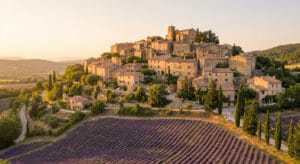
These two villages, 15-20 minutes by car or taxi from Cannes, offer the authentic Riviera hill village experience without the Gordes-level tourism. Both are working Provençal villages where folks actually live, and where the restaurants serve the locals’ food, not some watered-down tourist version of it.
Mougins: Famously where Picasso spent his last years (he died here in 1973). The village square and the lanes radiating from it have been pretty much unchanged for centuries. The Musée d’Art Classique de Mougins combines 5,000 years of art history across multiple civilizations in a renovated 17th-century building — genuinely unexpected and, frankly, excellent.
Valbonne: This is a planned 16th-century village built on a grid (which is unusual for Provence) with a large central square lined with plane trees and tons of outdoor café tables. They’ve got a Saturday morning market, too. This is where Sophia Antipolis tech workers and Nice expats come for weekend lunches — so the restaurants around the square really have to maintain local-standard quality. Budget €20-30 for lunch.
Day 6: Menton — The Last Town Before Italy
Menton sits right on the Italian border — in fact, the Italian town of Ventimiglia is just 10 minutes past it. This proximity has created a unique cultural fusion that makes Menton feel totally different from anywhere else on the Riviera. The old town is architecturally more Italian than French, the cuisine blends both traditions, and the lemon festival (February-March) makes it briefly famous each year.
The Bastion Museum (€3 entry) is housed in a 17th-century fort on a pier extending into the sea — honestly, the views from the roof alone are worth the price of admission. The collection of Jean Cocteau artwork inside is superb. The old town’s steep lanes up to the Parvis Saint-Michel church offer postcard-perfect Riviera architecture, no joke.
Practical note: Menton is less expensive than Nice, Antibes, or Cannes. Restaurants and accommodation here are typically 20-30% cheaper for equivalent quality — definitely worth noting if you’re a budget-conscious traveler.
Frequently Asked Questions: Off the Beaten Path French Riviera 2026
What’s the best base for exploring the hidden French Riviera?
Nice is the best base for this itinerary — it’s got fantastic transport connections by train and bus to all the towns mentioned, plenty of good accommodation options at various price points, and the most authentic city experience you’ll find on the coast. Antibes is a solid second choice for those who prefer a smaller base.
How do I get around the French Riviera without a car?
The Côte d’Azur Rail line (Marseille-Ventimiglia) connects Nice, Antibes, Cannes, Villefranche, Beaulieu, Èze-sur-Mer, and Menton every 20-30 minutes. Buses will get you to Cap Ferrat and the hill villages. A regional pass (Zou! Pass) gives unlimited rail and bus travel for €5/day — that’s exceptional value.
What’s the best time to visit for fewer crowds?
March-May and September-October offer the absolute best combination of good weather (18-22°C), fewer crowds, and lower accommodation prices. July-August is peak season — prices double or triple, and beaches get absolutely packed. For the off-the-beaten-path experience, spring is your best bet.
Are the hill villages above Nice worth the effort?
Yes, absolutely, especially Mougins and Valbonne which most Riviera visitors never even see. They offer an authentic Provençal village experience without all the tour buses. Èze is more visited but still extraordinary, especially if you get there early morning. Gourdon and Tourrettes-sur-Loup are additional options further inland.
How expensive is the French Riviera for budget travelers?
It’s more expensive than most of France, no doubt, but the range is actually wider than people expect. Menton and inland towns are 20-30% cheaper than Cannes or Monaco. Markets, bakeries, and local restaurants can give you budget meals for €10-15. Average daily budget for backpackers: €80-100 including accommodation (hostel), meals, and transport.
Disclosure: Some links in this article are affiliate links. If you book through them, we may earn a small commission at no extra cost to you. All recommendations are based on genuine experience and research.