Best French Food Guide: Regional Specialties to Eat Across France in 2026
Best French Food Guide: Regional Specialties to Eat Across France in 2026
The most honest thing I can tell you about French food is this: “French cuisine” doesn’t exist as a monolith. What exists is Alsatian cuisine, and Basque cuisine, and Provençal cuisine, and Lyonnaise cuisine — each as distinct as the landscapes they come from. Want to truly understand France? Eating your way across the country is, hands down, the most delicious way to do it. Consider this your personal regional food map.
The Food Journey That Changed How I Think About France
Most travelers eat croissants in Paris, have a steak frites somewhere in the middle, and call it “French food.” Honestly, they’re missing the point entirely. France, you see, has 22 administrative regions, and each one boasts its own unique culinary identity. These identities aren’t random; they’re shaped by geography, climate, history, and centuries of local tradition. It’s truly fascinating.
Did you know UNESCO’s World Heritage arm actually recognized French gastronomy as part of humanity’s intangible cultural heritage? It’s the only national cuisine to get that distinction, which I find pretty impressive. Plus, France produces over 1,200 distinct cheese varieties, accounts for roughly 15% of global wine production by value (Comité Champagne, 2024), and holds more Michelin-starred restaurants than any country except Japan. Talk about a food powerhouse!
But here’s the thing: those stars? They’re the wrong place to start. The real soul of French food? You’ll find it in the boulangeries at 7 AM, at the bustling weekly marchés, and in those wonderfully unremarkable regional restaurants serving up dishes just like their grandmothers used to make. That’s exactly where this guide is going to take you.
Region by Region: France’s Essential Food Map
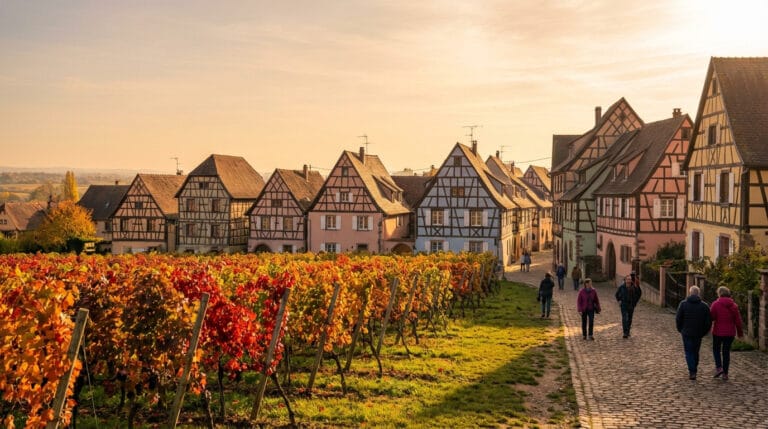
Alsace: The Franco-German Table
Alsace sits right on the Rhine border with Germany, and you know what? Its food tells that story without shame. Choucroute garnie is absolutely the regional signature here. We’re talking braised sauerkraut buried under a mountain of smoked meats, sausages, and potatoes. It’s deeply savory, unapologetically heavy, and honestly, it’s perfect for those cold winter months when the Christmas markets are overflowing with mulled wine.
Don’t miss: Flammekueche (tarte flambée). This thin, crispy flatbread, topped with crème fraîche, onions, and lardons, is seriously better than most pizza, in my opinion! You’ll find it everywhere in every Alsatian winstub (wine tavern).
Where to eat: Strasbourg’s Petite France district definitely has genuine winstubs, even with all the tourist restaurants around. My advice? Look for handwritten menus and plenty of locals at the bar — those are always the good ones.
Brittany: Seafood and Butter on the Atlantic Coast
Brittany’s coastline just churns out extraordinary seafood. Think oysters from Cancale, langoustines from the Gulf of Morbihan, and seriously, some of the freshest fish in Europe at the Concarneau market. But honestly, Brittany’s true culinary gift to France (and, let’s be real, the world) is its salted butter. Beurre de Guérande, made with Celtic sea salt, is a protected regional product, and believe me, it tastes fundamentally different from regular butter. It’s complex, a little sweet, and they use it liberally in absolutely everything. And I mean everything!
Don’t miss: Galettes de sarrasin. These buckwheat crêpes, filled with savory ingredients like egg, ham, cheese, or mushrooms, are amazing. It’s basically the original gluten-free crêpe, and it’s been feeding Bretons for 400 years! After that, you’ve got to follow it up with some sweet crêpes — suzette, caramel beurre salé, or chocolate, take your pick.
Where to eat: Cancale’s oyster stalls right on the port? That’s the definitive experience, no doubt. Just buy fresh oysters from the stands, eat them standing up with a squeeze of lemon and a crisp glass of Muscadet. You can get an extraordinary meal for under €15 here, which is incredible value.
Provence: The Mediterranean Kitchen
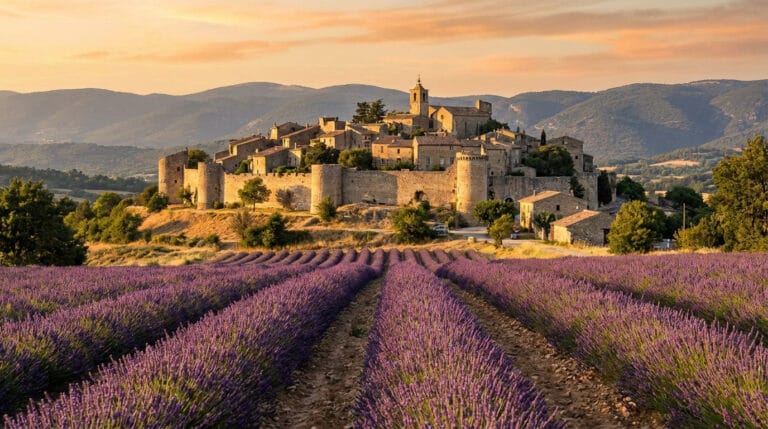
Provence cooks with olive oil, not butter. Period. The flavors here are assertive, too: garlic, thyme, rosemary, bay leaves, saffron — you get the idea. Bouillabaisse in Marseille? That’s the iconic dish, a truly complex fish soup. To be the “real thing,” it absolutely needs a minimum of 5 specific Mediterranean fish varieties. Traditionally, they serve the broth first with rouille (a garlic-saffron aioli) on toasted bread, then bring out the fish separately. It’s quite a ritual.
Don’t miss: Daube Provençale — beef braised for hours with olives, orange peel, and red wine. It’s phenomenal. Also, you’ve got to try tapenade on crusty bread with a glass of rosé, ideally while gazing at a lavender field. That’s the dream, right?
Seasonal note: Spring in Provence? It’s simply exceptional. The lavender won’t have bloomed yet (that’s more of a July thing), but the wild asparagus is in season, the markets are overflowing with strawberries and cherries, and the light? It’s just perfect.
Lyon: The Gastronomic Capital
Lyon, I’d argue, has a legitimate claim to being the true gastronomic capital of France — it was, after all, the city Paul Bocuse called home. Lyonnaise cuisine really centers around the bouchon, a specific kind of restaurant that dishes out traditional local fare in a convivial, unpretentious setting. Think Tablier de sapeur (breaded and fried honeycomb tripe), quenelles de brochet (pike dumplings in cream sauce), or cervelle de canut (fresh cheese with herbs). Look, these aren’t exactly “tourist-friendly” dishes, but they’re absolutely what you’ll find at the authentic Lyon table.
Where to eat: Bouchon Chez Paul and Café des Fédérations are actually pretty tourist-friendly, but thankfully, they’re not tourist traps. For the *full* experience, though, you absolutely have to visit the Halles de Lyon Paul Bocuse market — it’s truly the finest covered food market in France, in my opinion.
Basque Country: Where France Meets Spain at the Table
The French Basque Country (Pays Basque) around Bayonne and Biarritz boasts a culinary identity that owes just as much to Spain as it does to France. Piment d’Espelette — a mild red pepper with AOC protection — seasons almost everything here. Seriously, it’s everywhere! The locally cured Jambon de Bayonne easily rivals Iberian ham, and piperade, a slow-cooked pepper and tomato sauce, forms the base of half the regional recipes. It’s a flavor explosion.
Don’t miss: Ttoro (that’s the Basque fish stew; it’s similar to bouillabaisse but definitely has its own unique character), gâteau basque (a delicious shortcrust pastry filled with crème pâtissière or cherry jam), and you absolutely have to try Bayonne chocolate. This region, get this, has been making chocolate since the 17th century, ever since Sephardic Jews brought the craft from Spain. How cool is that?
Périgord (Dordogne): The Land of Foie Gras and Truffles
Look, if you’re going to eat foie gras in France, the Périgord is absolutely where you do it. This region is also serious truffle country — we’re talking black Périgord truffles (Tuber melanosporum), harvested from November through March. They’re actually the most commercially significant truffle in France. A kilogram can retail at €600-1,200, and honestly, just a few grams can totally transform any dish. It’s magic.
Don’t miss: Confit de canard (duck legs slow-cooked in their own fat), magret de canard (duck breast), and obviously, the full foie gras experience. Terrine with Sauternes? That’s the classic, unbeatable combination.
Where to Eat: Beyond Michelin Stars
The best food experiences in France cost almost nothing:
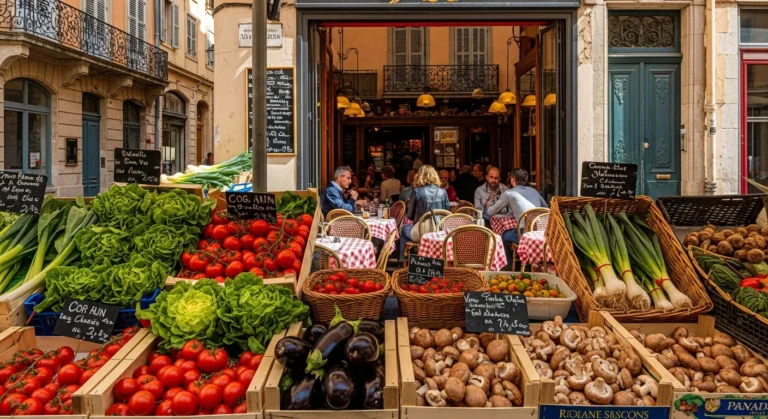
- Marchés (weekly markets): Seriously, every French town has one. Show up hungry! Buy cheese, charcuterie, and bread directly from the producers. Here’s a tip: find the stand with the longest local queue — that’s always where you’ll find the best stuff.
- Boulangeries: A croissant eaten standing up at a bakery counter? It’ll cost you just €1.20-1.80 and, I swear, it’s objectively better than the exact same croissant at a café table. Don’t ask me why, it just is.
- Brasseries at lunch: The “formule” (a two or three-course lunch menu) at a neighborhood brasserie typically costs €14-22. This represents extraordinary value, often with better quality than the same restaurant’s dinner service at twice the price. It’s a no-brainer.
- Cave à manger: These are wine shops that also have a small kitchen. They’ve become a uniquely French dining format where you get to eat excellent food, perfectly surrounded by the wine that’s been expertly paired to your meal. It’s a fantastic concept.
Recipes to Try at Home: French Regional Cooking
Bring the journey home:
- Simple Provençal daube: Here’s how to do it: Brown beef chunks in olive oil, then add garlic, whole tomatoes, olives, orange peel, thyme, bay, and plenty of red wine. Cook it on low heat for 3 hours minimum. So worth the wait!
- Alsatian tarte flambée: Get thin bread dough, roll it as thin as you possibly can. Top it with crème fraîche, onions, and smoked lardons. Pop it in a 250°C oven for just 8-10 minutes. Easy peasy.
- Basque piperade: Start by sweating sliced onions and green peppers in olive oil with piment d’Espelette. Then add crushed tomatoes and cook it down for 30 minutes. For an extra touch, add eggs for delicious Basque-style scrambled eggs.
Planning your own food-focused trip? You’ll definitely want to check out our 12 best restaurants in Paris worth the hype — those are Claire’s personal picks, by the way. For navigating France by region, our Paris travel guide with 15 insider secrets covers all the logistics, plus more food insights. And hey, if your culinary adventure takes you into the countryside, our 25 hiking trails in France guide pairs perfectly with the Provence and Basque sections of this guide. Happy travels!
Frequently Asked Questions
What is the most famous regional food of France?
Bouillabaisse from Marseille, Boeuf Bourguignon from Burgundy, and Choucroute from Alsace are definitely internationally recognized. But within France, the debate between Lyon and Paris over which city *truly* represents French gastronomy? That’s practically a national sport!
What’s the difference between French and Parisian cuisine?
Parisian cuisine is, generally speaking, a relatively neutral, modern French cooking style that’s been influenced by all the regions. However, true regional cuisines — like Alsatian, Provençal, or Breton — are far more distinctive, way more traditional, and frankly, often more interesting. While Paris boasts excellent regional restaurants, the food, in my experience, is always better in its home region. It just is.
When is the best time to eat in France for seasonal specialties?
Spring (April-May) is great for asparagus, lamb, and strawberries. Summer (June-August) brings tomatoes, courgette flowers, peaches, and that wonderful rosé wine culture. In Autumn (September-November), you’ll find mushrooms, game, and Beaujolais Nouveau. And winter? That’s prime time for truffles, foie gras, oysters, and hearty braises. There’s always something delicious!
Is it expensive to eat well in France?
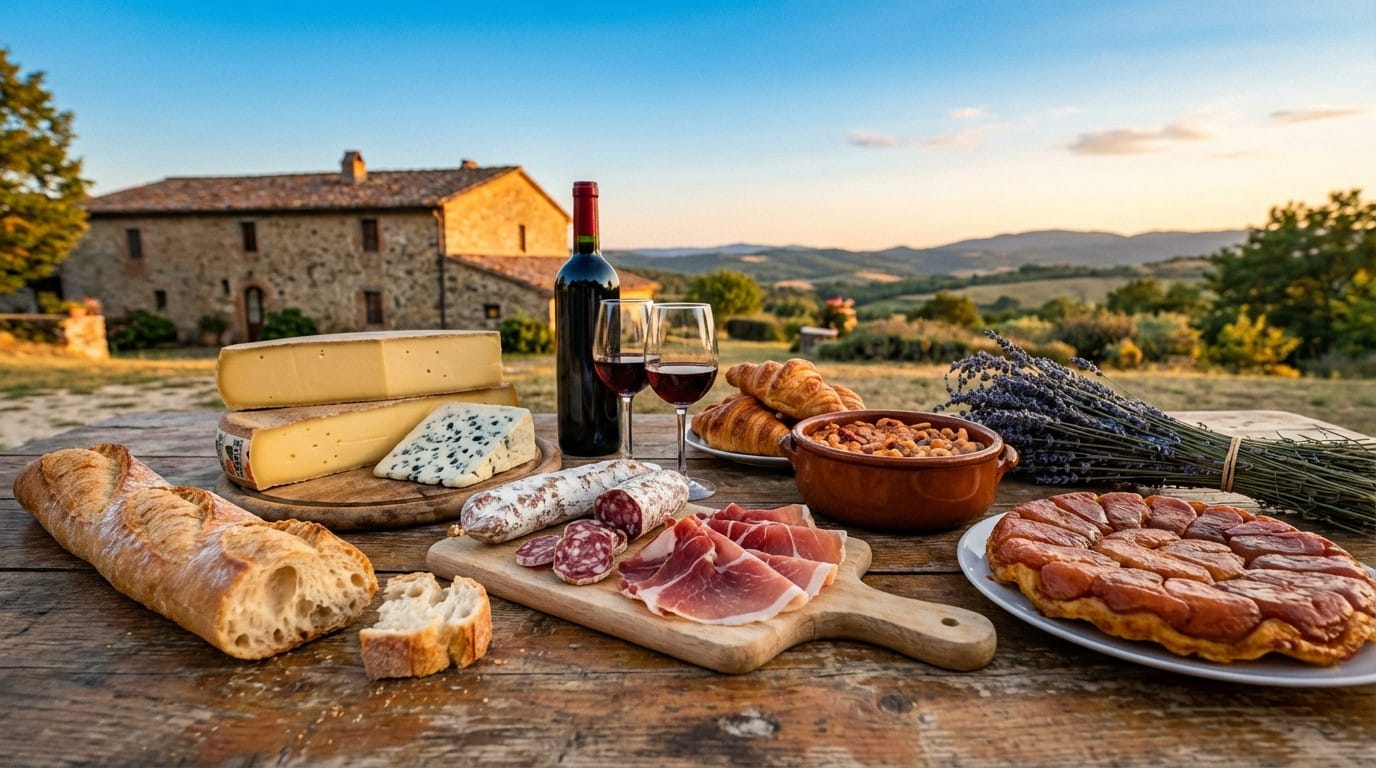
Not at all, especially if you hit the markets and grab lunch instead of dinner. A full market picnic, loaded with cheese, charcuterie, bread, and wine, will only set you back €15-20/person. For a real deal, the lunch “formule” at neighborhood restaurants usually runs €14-22 for 2-3 courses. Now, dinner at fine dining restaurants? That starts at €80/person and climbs steeply from there. If you’re looking for restaurant-focused accommodation packages, you can book via Booking.com.
What French regional food should I try if I only have one week in France?
If you’ve only got one week in France, Lyon is, hands down, the single best city for food immersion. The sheer density of excellent restaurants, the incredible Bocuse market, that unique bouchon culture, and its close proximity to Burgundy wine country all make it the absolute ideal food destination. You won’t regret it!