
Disclosure: This article contains affiliate links. If you book through them, I earn a small commission at no extra cost to you. I only recommend services I consider genuinely useful for France travel.
France EES 2026 Guide: What You Must Know About Entry Exit System
If you are planning a trip to France as a UK, US, Canadian, or Australian traveller, there is a significant new border process waiting for you at the airport. It is called the Entry/Exit System (EES), and it went live across the Schengen Area on 10 April 2026. It is not optional, it is not a one-time registration you can complete at home, and it is currently adding hours to queues at Paris Charles de Gaulle.
This comprehensive guide covers exactly what the EES entry exit system france 2026 entails, who it applies to, what happens at the border, and how to plan your trip around the new reality of European border crossings. Understanding these changes is critical for avoiding missed flights and ensuring a smooth start to your vacation.
What Is the EES Entry/Exit System?
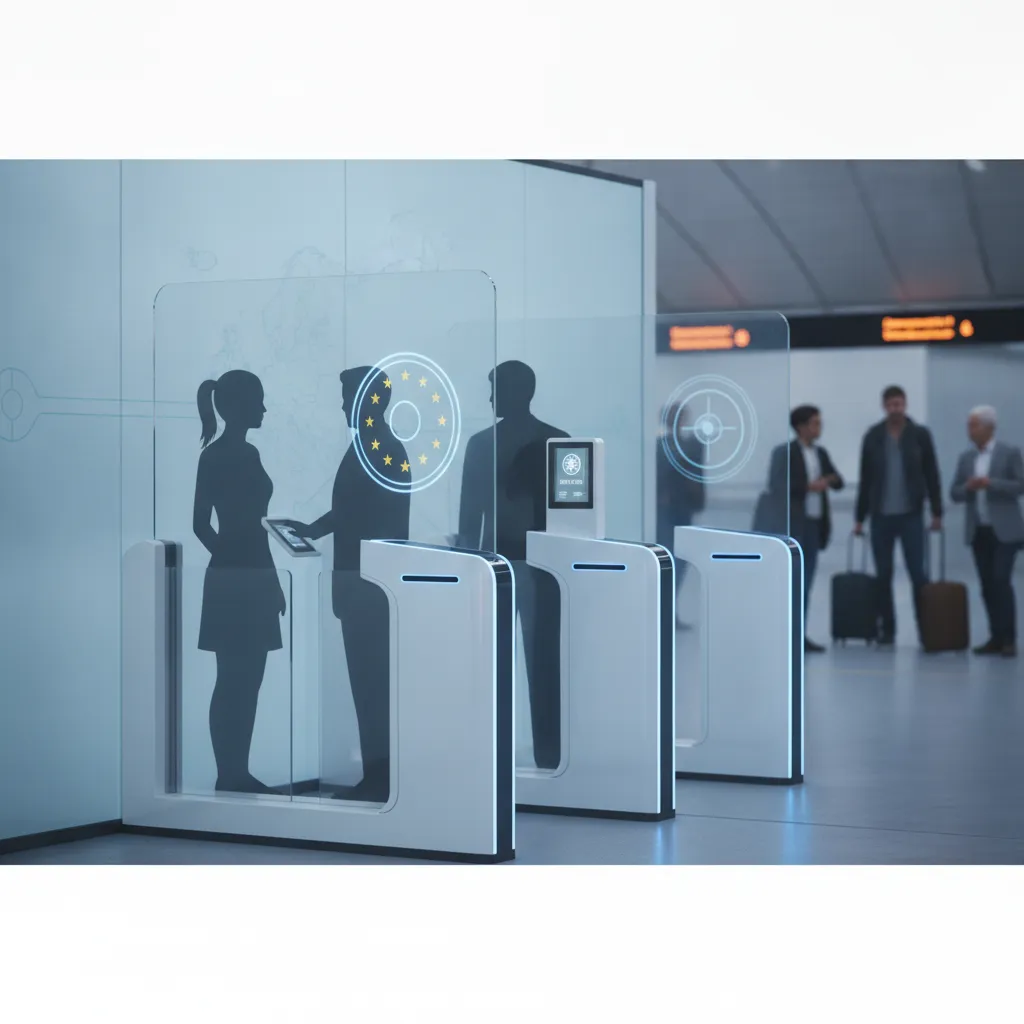
The EES is an automated EU border registration system that replaces the old practice of stamping passports with ink at the Schengen border. Every non-EU, non-Schengen visitor arriving for a short stay now gets a digital file created in their name on their first visit. That file records their fingerprints, a facial scan, travel document data, and the date and place of every entry and exit from the Schengen Zone.
Think of it as a digital passport stamp, tied to your biometrics rather than ink. The EU Council explains that the system was designed to track the 90/180-day rule (maximum 90 days in the Schengen Area within any 180-day period) and to replace manual passport checks with a faster long-term system. Source: consilium.europa.eu.
In practice, the first registration takes 3 to 7 minutes per person at the border kiosk or with a border officer. Subsequent crossings, once your biometric profile exists, should be faster. The key word there is “should.” Technical glitches or high volumes can still slow down the process even for returning visitors.
When Did EES Launch in France?
The EES became fully operational across all Schengen border checkpoints on 10 April 2026. A phased rollout began in October 2025, but April 10 was the date at which biometric registration became mandatory at participating borders, including all French international airports and the Eurostar terminal at Gare du Nord.
France’s Ministry of Foreign Affairs confirmed the April 10 date officially. Source: diplomatie.gouv.fr.
The European Commission published its own confirmation separately. Source: home-affairs.ec.europa.eu.
Who Does EES Apply To?
EES applies to all non-EU, non-Schengen nationals entering France or any Schengen country for a short stay (up to 90 days in any 180-day period). That means:
- UK travellers (post-Brexit, British passports are non-EU)
- US travellers
- Canadian travellers
- Australian travellers
- Any other nationals from countries outside the EU and Schengen Area
It does not matter whether you need a visa to enter France or not. If you are visiting on a short stay and you hold a non-EU passport, EES applies to you. This includes visa-exempt nationals who previously only needed to show a passport.
Who Is Exempt from EES?
Not everyone at the border queue needs biometric registration. The following categories are exempt:
| Category | EES Required? |
|---|---|
| EU / EEA / Swiss citizens | No |
| Non-EU nationals with a valid EU long-stay visa (Type D) | No |
| Non-EU nationals with a valid EU/Schengen residence permit | No |
| Frontier workers with special permits | No |
| Non-EU nationals on short-stay visit (UK, US, etc.) | Yes |
Holders of long-stay visas or residence permits can use the EU/EEA lanes, bypassing the longer EES queues entirely. Source: diplomatie.gouv.fr.
What Happens at the Border: Step by Step
Here is the practical sequence for a first-time EES registration at Paris CDG or another French airport. Being prepared can save you time during this interaction.
Step 1: Arrive at border control. You will be directed to a non-EU/non-Schengen lane. In most cases, a self-service kiosk is available for initial data capture.
Step 2: Scan your passport. The kiosk reads your travel document details electronically. Ensure your passport is clean and undamaged to avoid read errors.
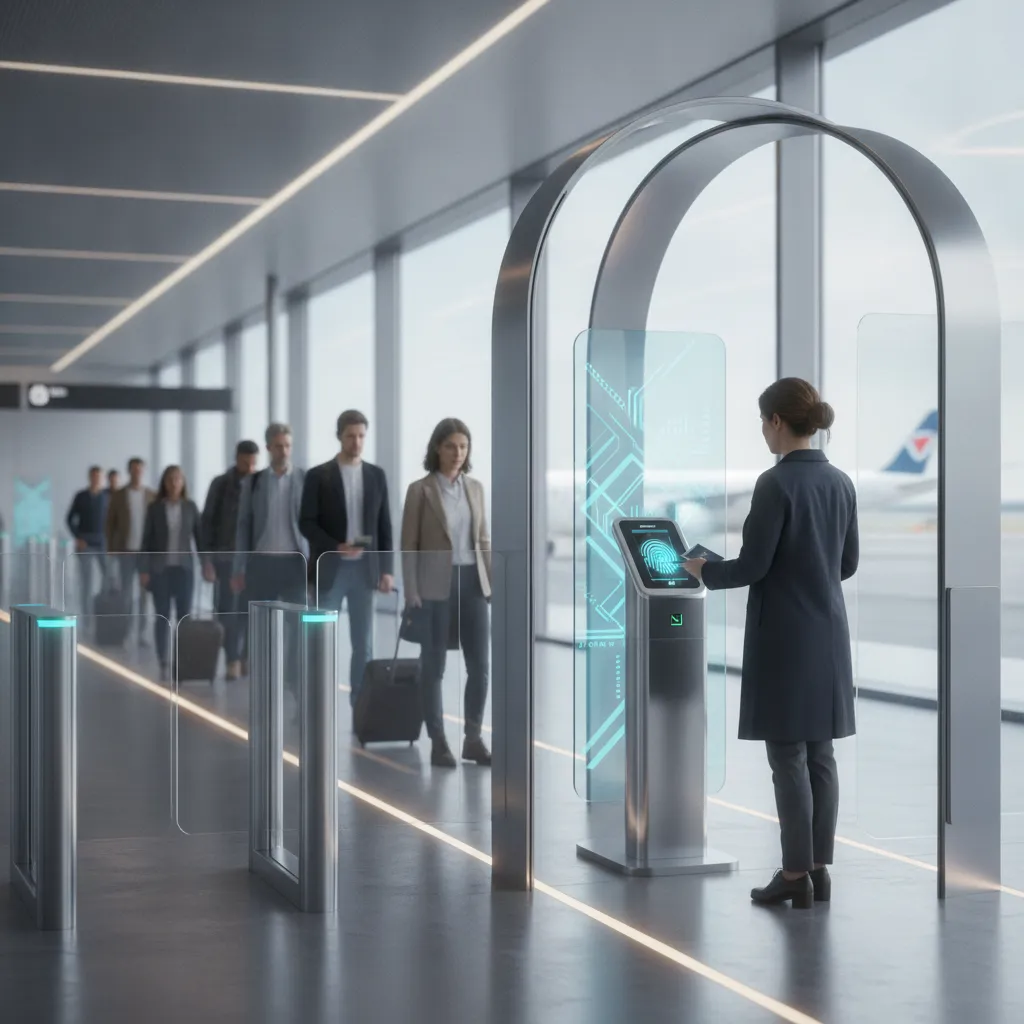
Step 3: Fingerprint scan. Four fingers (or all ten, depending on the terminal) are scanned. This is mandatory for all adults.
Step 4: Facial image capture. A photo is taken of your face. Remove hats, glasses, or masks if requested by the machine.
Step 5: Border officer verification. A border guard reviews your file, confirms the information, and approves entry. They may ask standard questions about your stay, accommodation, and return date.
Step 6: Entry confirmed. Your digital file is created. Future crossings will match you against your existing biometric profile.
The entire process is new for both travellers and border staff, which is why early weeks saw queues of two to three hours at Paris CDG, with some passengers missing flights. Source: etias.com.
Will EES Cause Border Delays in France?
Yes, and this is the practical issue you need to plan around. Since the April 10 rollout, Paris CDG has consistently seen peak morning queues of two to three hours for non-EU arrivals. The delays are worst during:
- Early morning bank (07:00 to 10:00)