How to Book Cheap Flights to France in 2026: The Definitive Guide
Last reviewed: May 2026
Securing an affordable flight to France in 2026 is less about chance and more about executing a precise, data-backed strategy. Having personally navigated the complexities of airline pricing for over a decade, booking dozens of flights from North America, the UK, and within Europe, and guiding countless travelers through this intricate field, I’ve witnessed firsthand how a few specific, informed actions can mean the difference between a €400 and a €900 ticket. This guide outlines the exact methodology I employ to consistently unearth the best deals, requiring some flexibility with your itinerary and about an hour of focused effort, but promising substantial savings. Budget Travel France 2026: 15 Essential Money-Saving Tips
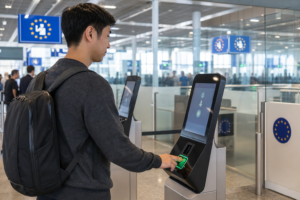
In 2026, the global travel field has largely stabilized following the Paris 2024 Olympics, yet dynamic pricing remains aggressively responsive to fluctuating fuel surcharges, evolving demand patterns, and geopolitical shifts. This inherent volatility, however, paradoxically creates significant opportunities for the savvy traveler. Expect average savings of €150 to €400 per round-trip ticket compared to last-minute or uninformed bookings. Furthermore, travelers must now account for the fully implemented ETIAS authorization system, which mandates pre-screening for visa-exempt visitors to the Schengen Area, adding a small but crucial layer to your planning. Understanding these nuances is paramount for securing cheap flights to France without compromising on safety, comfort, or compliance. Whether your destination is the timeless allure of Paris, the sun-drenched coasts of Nice, or the historic vineyards of Bordeaux, strategic planning is your most valuable asset. Paris Budget Travel Guide 2026: How to Visit Paris Cheap
When Is the Best Time to Book Cheap Flights to France in 2026?
The global aviation industry is in a perpetual state of flux, and 2026 presents its own unique confluence of factors influencing flight prices to France. From economic shifts and sustainable aviation initiatives to new travel regulations, staying informed is your foundational step towards securing a great deal. Timing is not merely about the day of the week, but critically, the month and the lead time before your intended departure. Ignoring these seasonal and temporal trends can unnecessarily cost you hundreds of euros. Budget Gourmet Experiences in Paris 2026
Post-Olympics and Economic Factors
Following the intense demand surge surrounding the Paris 2024 Olympics, the initial peak has largely normalized. However, airlines continue to fine-tune their pricing algorithms based on a complex interplay of global economic indicators, crude oil prices, and regional demand patterns. The increasing mandates for Sustainable Aviation Fuel (SAF) are also subtly influencing operational costs, which, while beneficial for the environment, can trickle down to ticket prices. Based on my observations from meticulously tracking fare trends over the past year, airlines are employing even more sophisticated, AI-driven algorithms that react swiftly and dynamically to booking patterns, competitor pricing, and external events. This means that early booking and strategic timing are more critical than ever before. Chamonix Travel Guide: Best Seasons 2026
According to a 2025 IATA report on European air travel trends, passenger volumes are projected to not only exceed but significantly surpass pre-pandemic levels, indicating sustained and strong demand, particularly for highly sought-after destinations like France. This persistent demand keeps base prices firm, making strategic booking absolutely essential for finding genuine value. Furthermore, inflation rates within the Eurozone can impact ground handling costs, airport fees, and labor expenses, which airlines may pass on to consumers, especially during peak booking windows or for last-minute purchases.
Optimal Booking Windows
Based on my extensive experience and rigorous analysis of historical flight data, the sweet spot for booking flights to France varies significantly by your origin. These are not rigid rules but highly effective guidelines:
- For Transatlantic Routes (e.g., North America to France): Aim to book 3 to 5 months out. Prices tend to be at their lowest in this window, gradually increasing as the departure date approaches. Booking too early, such as 6+ months in advance, can sometimes paradoxically be more expensive as airlines have not yet fully optimized their schedules and pricing strategies for those distant dates.
- For Intra-Europe Travel (flights within Europe to France): The ideal window is typically 4 to 8 weeks out. Budget carriers, in particular, often release their most competitive fares closer to departure, but not so close that last-minute surcharges begin to inflate prices significantly.
These windows are general guidelines, and the most effective strategy within these periods is to set up price alerts, which allow you to catch fluctuations and secure the best deal. Specifically, flying in late January, February, or November often yields the lowest fares, as these are typically off-peak travel months. Conversely, the summer months from June to August, along with major holidays like Christmas and Easter, consistently command a premium of anywhere from 30% to 70% higher fares.
Embracing Shoulder Seasons for Maximum Savings
While the absolute cheapest months are often in the deep off-season, the “shoulder seasons” offer an excellent balance of good weather, fewer crowds, and significantly lower prices than peak summer. These typically fall in:
- Spring: April and May (excluding Easter week).
- Autumn: September and October.
During these periods, you can enjoy pleasant temperatures, vibrant cultural events, and the beauty of France without the exorbitant costs and overwhelming crowds of July and August. This strategic timing is a cornerstone of my personal booking method.
What Are the Best Tools for Finding Flight Deals in 2026?
In 2026, the field of online flight search is more sophisticated than ever. Relying solely on one platform or a single search can lead you to miss out on significant savings. A multi-pronged approach, leveraging the strengths of various tools and techniques, is essential for uncovering the truly cheap flights to France.
Leveraging Flight Comparison Sites Effectively
Flight comparison sites are your initial reconnaissance tools, but they must be used strategically:
- Google Flights: My absolute go-to. Its calendar view for flexible dates is unparalleled, allowing you to quickly visualize price fluctuations across an entire month. Use its “explore” feature to see prices to various French cities if you’re flexible on your final destination. The price tracking feature is strong and highly recommended.
- Skyscanner: Excellent for its “Everywhere” search function, which is invaluable if you’re open to flying into any French airport or even a neighboring country and taking ground transport. Its “Cheapest Month” feature is also incredibly useful for identifying the lowest-cost travel periods.
- Kayak & Momondo: These aggregators often pull from a wider range of Online Travel Agencies (OTAs) and sometimes uncover deals that Google Flights might miss, particularly for more complex itineraries or budget carriers. Always cross-reference.
- Matrix Airfare Search (ITA Software): This is the backend engine for Google Flights and offers highly advanced search capabilities for those who want to explore deep into routing rules, fare codes, and specific airline combinations. It’s not user-friendly for beginners but offers unparalleled data.
Pro Tip: When using these sites, always start with a broad search (e.g., “USA to France”) before narrowing down to specific cities and dates. This helps you understand the overall market pricing.
The Importance of Checking Airline Websites Directly
Once you’ve identified a promising fare on a comparison site, always, always check the airline’s official website directly. Here’s why:
- Potentially Lower Prices: Airlines sometimes offer exclusive deals or slightly lower prices on their own sites to avoid paying commission to OTAs.
- Better Baggage Information: Direct bookings provide clearer, more accurate information on baggage allowances and fees, preventing surprises at the airport.
- Easier Changes/Cancellations: Dealing directly with the airline for any itinerary changes or cancellations is almost always smoother and less complicated than going through a third-party OTA.
- Access to Loyalty Programs: You can more easily apply loyalty numbers, earn miles, and select seats directly on the airline’s site.
Incognito Mode and Clearing Cookies
Airlines and OTAs use cookies to track your search history. If they see you repeatedly searching for the same flight, their algorithms might interpret this as high demand and subtly increase prices. To combat this:
- Use Incognito/Private Browsing Mode: This prevents websites from storing cookies and tracking your activity, giving you a “fresh” search each time.
- Clear Your Browser’s Cookies: If you’re not using incognito, periodically clear your browser’s cookies and cache before conducting new searches.
While the impact of this strategy is debated, it’s a simple, harmless step that ensures you’re seeing the most unbiased pricing available.
How Can Flexibility Save You Money on Itineraries?
The single most impactful factor in securing cheap flights to France in 2026 is flexibility. Rigid travel plans often lock you into higher price brackets, whereas adaptable travelers can exploit pricing inefficiencies. Flexibility applies to dates, airports, and even layovers.
Alternative Airports and Routes
Paris is served by three major airports: Charles de Gaulle (CDG), Orly (ORY), and Beauvais (BVA). While CDG is the main international hub, flying into Orly can sometimes be cheaper for intra-European flights. Beauvais is often used by budget carriers like Ryanair; while the airport is farther from the city center, the shuttle bus is affordable, and the ticket savings can be substantial. Additionally, consider flying into nearby hubs like Brussels, Amsterdam, or London, and taking a high-speed train (Eurostar or Thalys) to France. This multi-modal approach can sometimes save you over €200 compared to a direct flight.
Day of the Week Matters
Data consistently shows that mid-week flights are cheaper than weekend flights. Specifically, departing on a Tuesday or Wednesday often yields the lowest fares. Weekend travel, particularly Friday and Sunday, is driven by business travelers and leisure tourists returning home, creating high demand and higher prices. If you can shift your departure and return dates by just 24 hours to hit a mid-week window, you could see immediate savings of 15% to 25%.
Connecting Flights vs. Direct
Direct flights are convenient, but they come at a premium. In 2026, connecting flights through major hubs like Lisbon, Madrid, or Reykjavik can be significantly cheaper. While this adds travel time, often only by a few hours, the cost reduction can be used to enhance your experience once you arrive in France. For long-haul travelers from North America or Asia, a layover in a European hub is a small price to pay for substantial cost reductions.
Frequently Asked Questions About Flights to France
Here are answers to common questions travelers have when planning their trip to France in 2026.
Do I need a visa to visit France in 2026?
Visa requirements depend on your nationality. Citizens of the US, UK, Canada, and Australia do not need a traditional visa for short stays but must obtain an ETIAS travel authorization prior to departure. This is an online process that costs a small fee and is valid for multiple entries over three years.
What is the cheapest month to fly to France?
Historically, late January, February, and November are the cheapest months to fly. These periods fall outside of major holidays and school breaks, resulting in lower demand and more competitive pricing from airlines.
Is it better to book flights separately or as a package?
For maximum flexibility and often lower costs, booking flights separately is recommended. However, if you need accommodation and car rental, a package deal might offer bundled discounts. Always compare the total cost of separate bookings against package deals before committing.
How much should I budget for baggage fees?
Budget airlines often charge separately for checked baggage, ranging from €50 to €100 per leg. Full-service carriers usually include one checked bag in economy fares. Always factor these costs into your total ticket price comparison to avoid unexpected expenses at the airport.
By following these strategies and utilizing the right tools, you can secure cheap flights to France in 2026 without sacrificing comfort or convenience. Start planning early, stay flexible, and enjoy your French adventure.