7 Best Neighborhoods in Paris You Must Visit
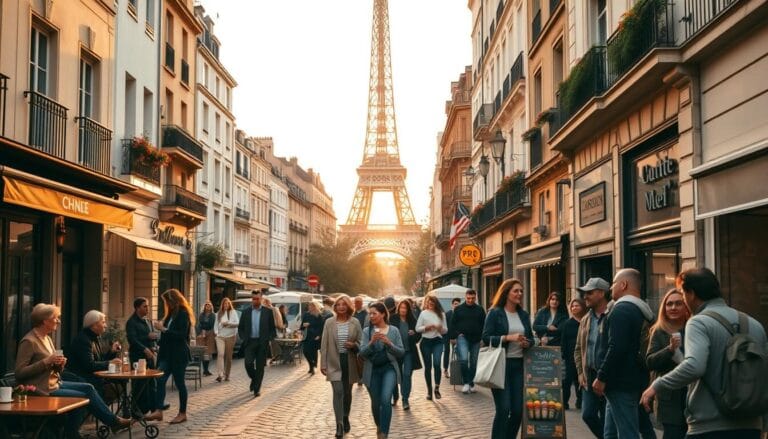
Paris is one of those cities that rewards the curious. Sure, you can spend a week at the Eiffel Tower and the Louvre — and you’ll have a perfectly fine trip. But the Paris that locals love, the Paris that gets under your skin and never lets go, lives in its neighborhoods. Each arrondissement has its own personality, its own café culture, its own rhythm. This guide will take you through the 7 best neighborhoods in Paris you simply must visit — with practical info on what to do, where to eat, and exactly how to make the most of each area.
What Makes Paris Neighborhoods So Different From Each Other?
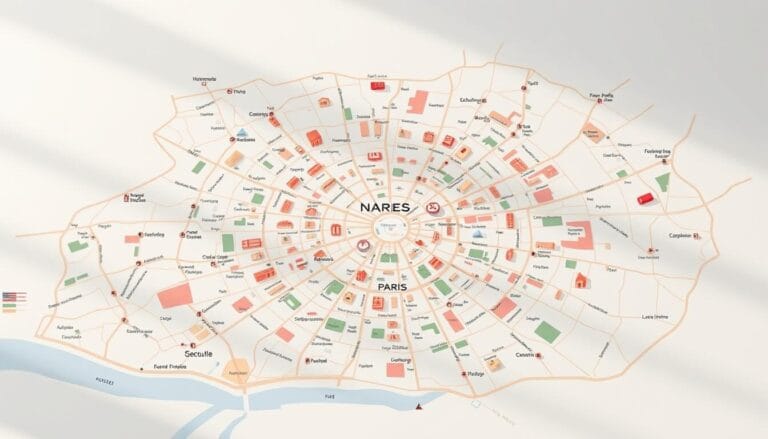
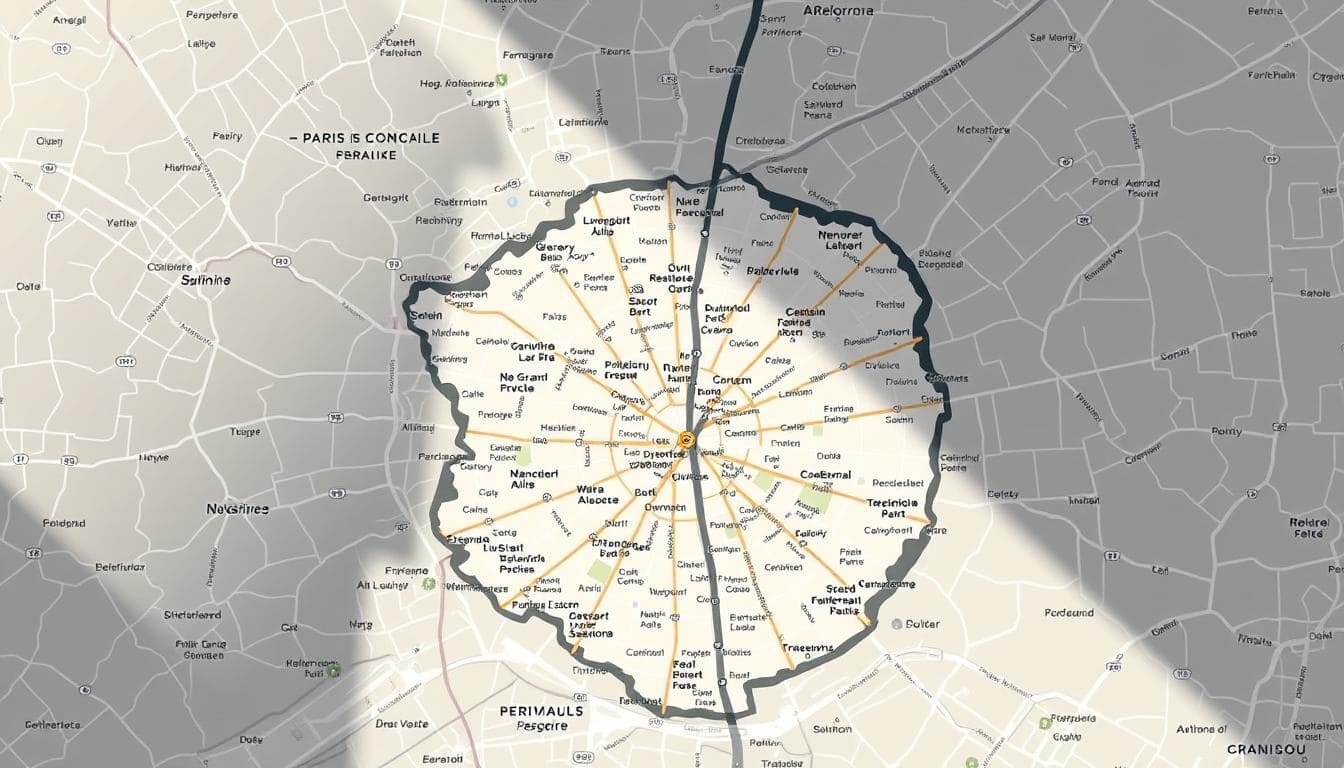
Paris is divided into 20 arrondissements (districts), each spiraling outward from the city center like a snail shell. But the real character of Paris isn’t found in administrative boundaries — it’s found in the informal neighborhoods that have developed their own identities over centuries. The Marais feels nothing like Montmartre. Oberkampf bears no resemblance to Saint-Germain-des-Prés. That’s exactly what makes exploring Paris so endlessly fascinating.
According to the Office du Tourisme et des Congrès de Paris, the city receives over 40 million visitors per year, yet most cluster around the same handful of monuments. Step one block off the tourist trail and you’ll find authentic Paris — the boulangeries where locals grab their morning croissant, the wine bars where regulars have their own reserved seats, the hidden courtyards that don’t appear in any guidebook.
Is Le Marais Worth Visiting?
Absolutely — Le Marais is arguably Paris’s most vibrant neighborhood and a must-visit on any Paris itinerary. Straddling the 3rd and 4th arrondissements, this area has evolved from a medieval swamp (the name literally means “the marsh”) to a royal district, a Jewish quarter, and now one of the city’s most fashionable addresses.
The Marais has managed the remarkable trick of being simultaneously hip and historic. You’ll find 17th-century hôtels particuliers (aristocratic mansions) housing contemporary art galleries. The Place des Vosges — Paris’s oldest planned square, built in 1612 — is surrounded by trendy cafés where Parisians sip flat whites on Sunday mornings.
What to do in Le Marais:
- Visit the Musée Picasso (€14 entry, open Tue–Sun 10:30am–6pm) — one of the world’s great Picasso collections in a stunning 17th-century mansion
- Explore the Centre Pompidou (€15 for permanent collection, closed Tuesdays) — rated 4.5/5 on TripAdvisor with over 60,000 reviews
- Stroll through the Place des Vosges (free) — grab a bench and watch Parisian life unfold
- Browse the independent boutiques on Rue des Francs-Bourgeois — the area’s main shopping street
- Visit the Mémorial de la Shoah (free, closed Saturdays) — a moving and important memorial
Where to eat in Le Marais: L’As du Fallafel on Rue des Rosiers is legendary — expect queues but the falafel (€7-8) is worth every minute of waiting. For sit-down dining, Bofinger (founded 1864) serves classic Alsatian brasserie food in a gorgeous Art Nouveau setting.
Best time to visit Le Marais: Sunday mornings are magical — the streets are quiet, the bakeries are open, and you can explore at leisure before the crowds arrive around noon.
Why Do Travelers Fall in Love With Montmartre?
Because Montmartre is unlike anywhere else in Paris — or anywhere else in the world, frankly. Perched on the city’s highest hill in the 18th arrondissement, this former village (it was only incorporated into Paris in 1860) retains a bohemian, artistic soul that no amount of tourism has managed to extinguish.
The neighborhood’s artistic legacy is staggering. Picasso, Modigliani, Van Gogh, Toulouse-Lautrec, Renoir — they all lived and worked here. You can still drink in the same cafés where they argued about art. The Bateau-Lavoir on Place Émile Goudeau, where Picasso painted Les Demoiselles d’Avignon, still stands.
What to do in Montmartre:
- Climb to the Sacré-Cœur Basilica (free entry) for panoramic views over Paris — go at sunrise for golden light and zero crowds
- Explore Place du Tertre — yes, it’s touristy, but the portrait artists working here have done so for over 100 years
- Visit the Musée de Montmartre (€15) — traces the neighborhood’s artistic history with original studios
- Walk the Vineyard of Montmartre — Paris’s last working vineyard, harvested every October
- Find the Wall of Love (Le Mur des Je T’aime) in Square Jehan Rictus — “I love you” in 250 languages
Local tip: Skip the tourist-trap restaurants around Sacré-Cœur and walk 10 minutes downhill to Rue Lepic. Café des Deux Moulins (where Amélie was filmed) serves honest French bistro food at reasonable prices (mains €15-22).
Getting there: Take Metro line 2 to Anvers, then walk up through the funicular (included in Metro ticket), or take line 12 to Abbesses for a more authentic entry point.
What’s Special About Saint-Germain-des-Prés?
Saint-Germain-des-Prés is Paris’s intellectual heartland — the neighborhood that gave the world existentialism, jazz, and the Left Bank café culture that changed how people think about ideas and conversation. Located in the 6th arrondissement on the Left Bank of the Seine, it’s where Sartre and de Beauvoir wrote philosophy over coffee at Café de Flore, where James Baldwin found freedom from American racism, where Hemingway completed The Sun Also Rises.
Today, Saint-Germain is undeniably expensive — this is some of Paris’s priciest real estate — but it rewards visitors who look beyond the luxury boutiques. The literary cafés still function (expensively, but atmospherically), the bookshops are magnificent, and the Luxembourg Gardens provide one of the great free pleasures of Paris.
What to do in Saint-Germain:
- Have coffee at Café de Flore or Les Deux Magots (budget €8-12 for coffee and a croissant — expensive but worth it once)
- Explore the Luxembourg Gardens (free) — 25 hectares of French formal gardens, fountains, and the famous model sailboats
- Browse Shakespeare and Company bookshop across the river — the legendary English-language bookshop where Beat Generation writers gathered
- Visit the Musée d’Orsay (€16, closed Mondays) — the world’s greatest Impressionist collection, rated 4.7/5 on TripAdvisor
- Walk along the Seine embankments — a UNESCO World Heritage Site with bouquiniste (used bookseller) stalls
Where to eat: Brasserie Lipp (founded 1880) is the classic choice for Alsatian cuisine. For something more affordable, the side streets around Rue de Buci have excellent bistros with €15-20 lunch formulas including wine.
Is Oberkampf Good for Nightlife and Local Culture?
Oberkampf is where Parisians go when they want to have a good time without feeling like they’re performing for tourists. Located in the 11th arrondissement, this neighborhood epitomizes the “authentic Paris” that travelers spend their whole trip searching for. It’s where young Parisians live, where natural wine bars proliferate, where concerts happen in converted workshops, and where a Sunday brunch can stretch into a Sunday evening without anyone noticing.
The area takes its name from the 18th-century fabric manufacturer Christophe-Philippe Oberkampf, who established France’s first cotton printing factory here. Today, the factories have been replaced by bars, galleries, and some of the city’s most exciting restaurants.
What to do in Oberkampf:
- Bar-hop along Rue Oberkampf and Rue de la Roquette from 7pm onwards
- Visit the Musée Édith Piaf (free, by appointment) — a tiny, touching museum dedicated to the Little Sparrow
- Explore the covered Passage Saint-Sébastien — a beautiful 19th-century passage
- Browse the weekend market at Place de la Bastille nearby (Thursday and Sunday)
- Discover the Coulée Verte (Promenade Plantée) — an elevated garden railway line that inspired New York’s High Line
Best for: Evening drinks and dinner. The neighborhood really comes alive after 6pm. Budget €30-50 per person for drinks and dinner at a casual restaurant.
Where Should You Stay in Paris to Experience Authentic Neighborhood Life?
Where you stay in Paris fundamentally shapes your experience of the city. Here’s the breakdown by neighborhood:
- Le Marais (3rd/4th): Best for first-timers who want centrality and character. Mid-range hotels from €120-200/night. The Hôtel de la Bretonnerie and Hôtel Caron de Beaumarchais are local favorites with charm.
- Montmartre (18th): Best for romance and artistic atmosphere. More affordable than central Paris, with good hotels from €80-150/night. Slightly further from main sights but the neighborhood itself is a destination.
- Saint-Germain (6th): Best for luxury and literary atmosphere. Expensive (from €200/night at quality hotels), but unbeatable location near the Musée d’Orsay and Luxembourg Gardens.
- Oberkampf (11th): Best for budget travelers and those wanting local life. Good hotel deals from €70-120/night. Excellent metro connections.
What About Belleville — Paris’s Most Multicultural Neighborhood?
Belleville (straddling the 10th, 11th, 19th, and 20th arrondissements) is one of Paris’s best-kept secrets — a neighborhood so authentically diverse and creatively alive that it feels like a different city from the tourist Paris of the Champs-Élysées. This is the Paris of immigrants, artists, and young Parisians who can’t afford to live in the center but don’t want to leave the city.
Belleville has been a working-class immigrant neighborhood since the 19th century, and today it’s home to significant Chinese, North African, and Middle Eastern communities alongside a thriving arts scene. The food here is extraordinary and extraordinarily affordable.
What to do in Belleville:
- Visit Parc de Belleville for arguably the best panoramic view of Paris (free, and far less crowded than Sacré-Cœur)
- Explore the street art along Rue Dénoyez — one of Paris’s most vibrant street art streets
- Eat dim sum on Rue de Belleville — some of Paris’s best and most affordable Chinese food
- Visit during the Portes Ouvertes (Open Studio Days) in May/October when local artists open their ateliers
- Browse the Marché de Belleville (Tuesday and Friday mornings) for the full sensory experience
How Much Does It Cost to Explore Paris Neighborhoods?
One of the great things about Paris neighborhood exploration is that much of it is free. Here’s a realistic budget breakdown:
- Transport: A single metro ticket costs €2.15, or get a Navigo Easy card for better value. A day pass (t+) costs around €16.10 for unlimited travel within Paris zones 1-5.
- Coffee: €1.80-2.50 at a zinc bar (standing), €3-5 sitting at a table, €8-12 at a famous literary café.
- Lunch: €12-18 for a formule (set menu with starter + main or main + dessert) at a proper bistro, including a glass of wine.
- Museum entry: Most major museums are free on the first Sunday of each month. The Paris Museum Pass (2 days €55, 4 days €70, 6 days €85) covers 60+ sites.
- Daily budget: You can have a genuinely excellent day exploring Paris neighborhoods for €40-60 per person (transport + food + one museum).
What’s the Best Time to Visit Paris Neighborhoods?
Each season transforms the Paris neighborhood experience:
- Spring (April–June): The classic Paris season. Chestnuts bloom, café terraces fill up, and the light is extraordinary. Most expensive hotel rates of the year.
- Summer (July–August): Hot, busy, and some locals leave for vacation. But the Paris Plages (artificial beaches along the Seine) open, and evening light until 10pm is magical. Many museums extend hours.
- Autumn (September–October): This is our favorite. The summer crowds thin, the light turns golden, and Parisians return from holidays with renewed energy. Art galleries launch new shows.
- Winter (November–March): Atmospheric and romantic if you embrace the gray. Christmas markets (mid-November through January 1st) transform neighborhoods. Hotel rates are at their lowest.
Canal Saint-Martin: Paris’s Coolest Neighborhood You Haven’t Heard Of
Canal Saint-Martin (10th arrondissement) became famous internationally when Amélie was filmed here, but it’s been a Parisian favorite for much longer. The canal itself — built by Napoleon to bring fresh water to the city — is lined with iron footbridges, leafy plane trees, and quirky boutiques that feel nothing like the tourist Paris of the Right Bank.
This is where young creative Parisians come to hang out. On sunny days, people picnic along the canal banks with bottles of wine and excellent cheese from the neighborhood’s excellent fromageries. The area has become something of a center for Paris’s booming coffee scene, with specialty coffee shops alongside the traditional zinc bars.
What to do at Canal Saint-Martin:
- Take a canal boat tour through the famous underground section beneath Place de la République (€20-25, book via Canauxrama)
- Browse Antoine et Lili — the neighborhood’s most famous boutique, known for colorful clothes and home goods
- Have brunch at Du Pain et des Idées bakery (consistently rated among Paris’s best) — arrive early, queues form quickly
- Explore the Hôpital Saint-Louis courtyard (free) — one of Paris’s most beautiful architectural secrets, built in the same era as Place des Vosges
- Picnic along the canal banks on a sunny afternoon with supplies from the local market
Insider Tips for Exploring Paris Neighborhoods Like a Local
After years of exploring Paris, here are the tips that genuinely make a difference:
- Get lost on purpose. The best Paris discoveries happen when you put your phone away and follow your nose. Every neighborhood rewards aimless wandering.
- Time your visits strategically. Most tourists are at the major monuments from 10am-4pm. Use that time to explore neighborhoods, then visit attractions in the late afternoon when crowds thin.
- Learn three French phrases. “Bonjour” (hello), “S’il vous plaît” (please), and “Merci” (thank you). Using them will transform how Parisians treat you. The stereotype of rude Parisians largely applies to tourists who don’t bother.
- Follow the boulangeries. The neighborhoods with the best bakeries — look for queues on Sunday morning — are invariably the most authentically Parisian.
- Use the Vélib’ bike-share. Cycling between neighborhoods is the best way to see Paris and understand how the city fits together. Day pass costs €5, with the first 30 minutes of each journey free.
- Visit covered passages. Paris has 20 surviving 19th-century covered arcades (passages couverts). Galerie Vivienne, Passage des Panoramas, and Passage du Grand-Cerf are all free to enter and utterly magical.
Final Thoughts: Which Paris Neighborhood Is Right for You?
Every neighborhood in this guide offers something irreplaceable. Le Marais gives you history and contemporary art. Montmartre gives you romance and artistic legacy. Saint-Germain gives you intellectual atmosphere and world-class museums. Oberkampf gives you the authentic Parisian night out. Belleville gives you multicultural Paris at its most vibrant. Canal Saint-Martin gives you cool, creative, contemporary Paris.
Our recommendation: don’t choose. Dedicate at least half a day to each of these neighborhoods over the course of your trip. Walk between them when distances allow (Paris is smaller than you think — many neighborhoods are 20-30 minutes apart on foot). Take the metro when you need to. And let yourself be surprised.
The best Paris neighborhood is the one where you stumble upon a courtyard you weren’t expecting, where a local bakery pulls you in with the smell of fresh pastry, where you sit at a café and realize three hours have passed. That’s the Paris that will bring you back, year after year, for the rest of your life.
Official resources: Paris Tourism Official Website | TripAdvisor Paris Guide